
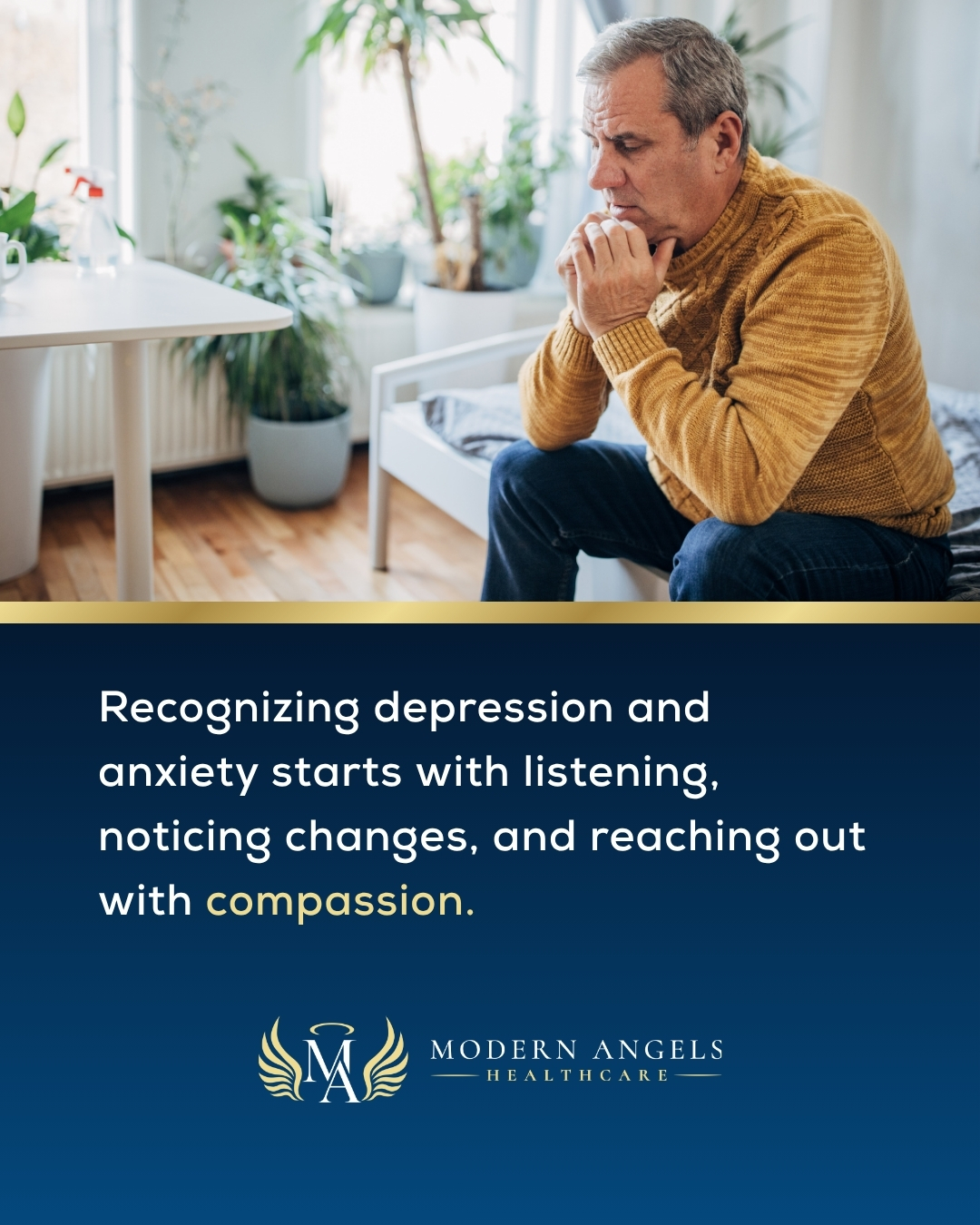


Depression and anxiety are among the most common mental health challenges affecting people today. While many individuals experience occasional stress, sadness, or worry, depression and anxiety involve ongoing symptoms that can interfere with daily life, relationships, and overall wellbeing. Recognizing the signs early is an important step toward providing support and encouraging positive outcomes.
One of the most common signs of depression is persistent sadness that lasts for weeks or longer. People experiencing depression may lose interest in activities they once enjoyed, struggle with motivation, or feel emotionally disconnected from others. Some individuals report feelings of hopelessness, guilt, or worthlessness. Physical symptoms can also occur, including fatigue, changes in sleep patterns, appetite changes, and difficulty concentrating.
Anxiety can look different from person to person. Common signs include excessive worry, restlessness, difficulty relaxing, racing thoughts, irritability, and feeling overwhelmed by everyday situations. Some individuals experience physical symptoms such as headaches, muscle tension, rapid heartbeat, stomach discomfort, or sleep disturbances.
Because depression and anxiety can share similar symptoms, it is not unusual for someone to experience both at the same time. Changes in behaviour may be one of the first clues that a person is struggling. You may notice a loved one withdrawing from social activities, avoiding conversations, missing appointments, or becoming less interested in hobbies and routines.
Recognizing these warning signs does not mean making assumptions or diagnoses. Instead, it means paying attention with empathy and understanding. A simple question such as, “How have you been feeling lately?” can open the door to meaningful conversations. Listening without judgment and showing patience can help someone feel supported during a difficult period.
Families and caregivers also play an important role in emotional wellbeing. Regular social interaction, meaningful companionship, healthy routines, physical activity, and supportive relationships can contribute positively to mental health. While professional assessment and treatment may be appropriate for some individuals, everyday acts of kindness and connection also matter.
For seniors and individuals managing health concerns, emotional wellbeing is especially important. Loneliness, isolation, illness, and life changes can sometimes increase feelings of anxiety or depression. Maintaining social engagement and receiving compassionate support can help promote comfort, confidence, and quality of life.
At Modern Angels Healthcare, we understand that caring for someone involves more than meeting physical needs. Emotional support, companionship, and meaningful human connection are valuable parts of overall wellness. Our caregivers work closely with families to provide compassionate assistance that helps individuals feel supported, respected, and cared for.
If you notice signs of depression or anxiety in yourself or someone you care about, remember that help and support are available. Recognizing the signs early, having open conversations, and encouraging connection can make a meaningful difference.