

Hospital-to-Home & Transitional Care
Personalized support that helps individuals transition safely and comfortably from hospital or rehabilitation to home or a retirement home.
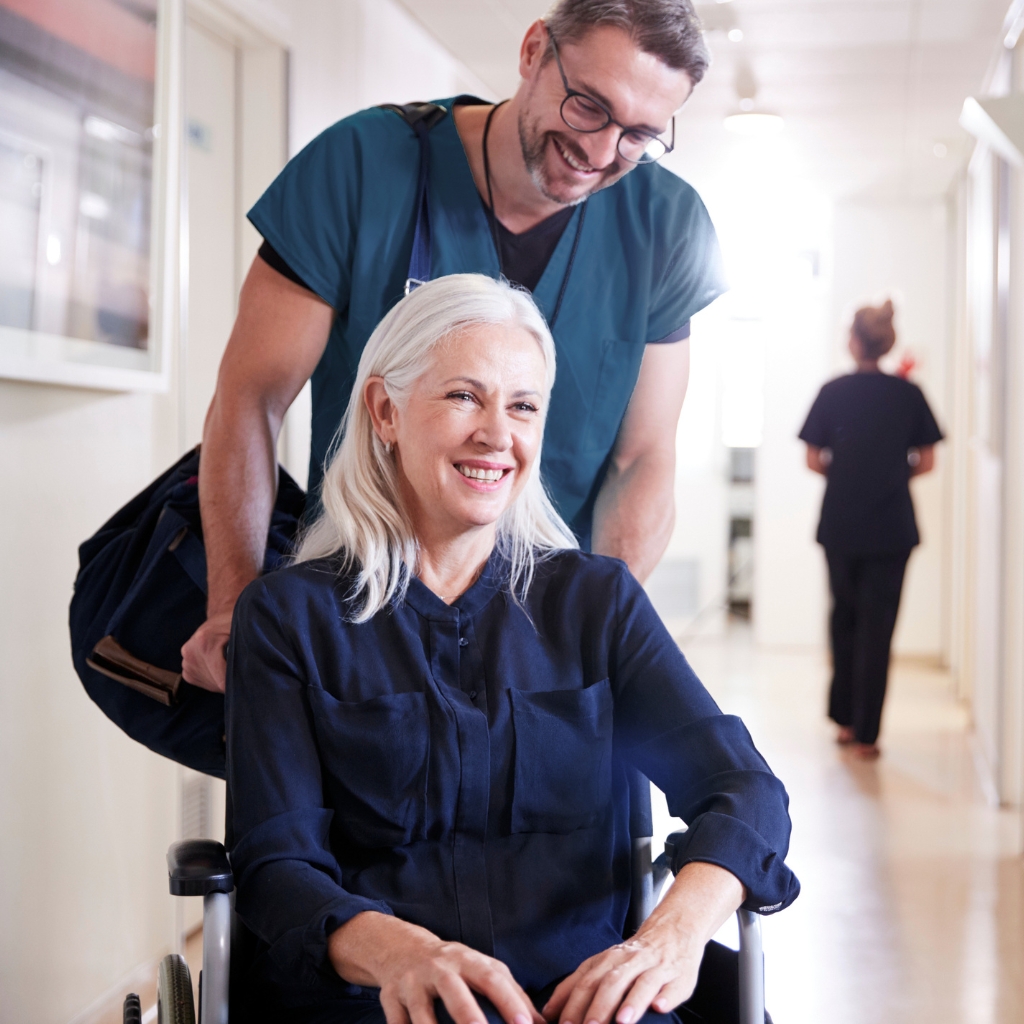
Our Hospital-to-Home team provides personalized discharge support that helps clients transition safely and comfortably home, ensuring continuity of care and peace of mind during recovery.
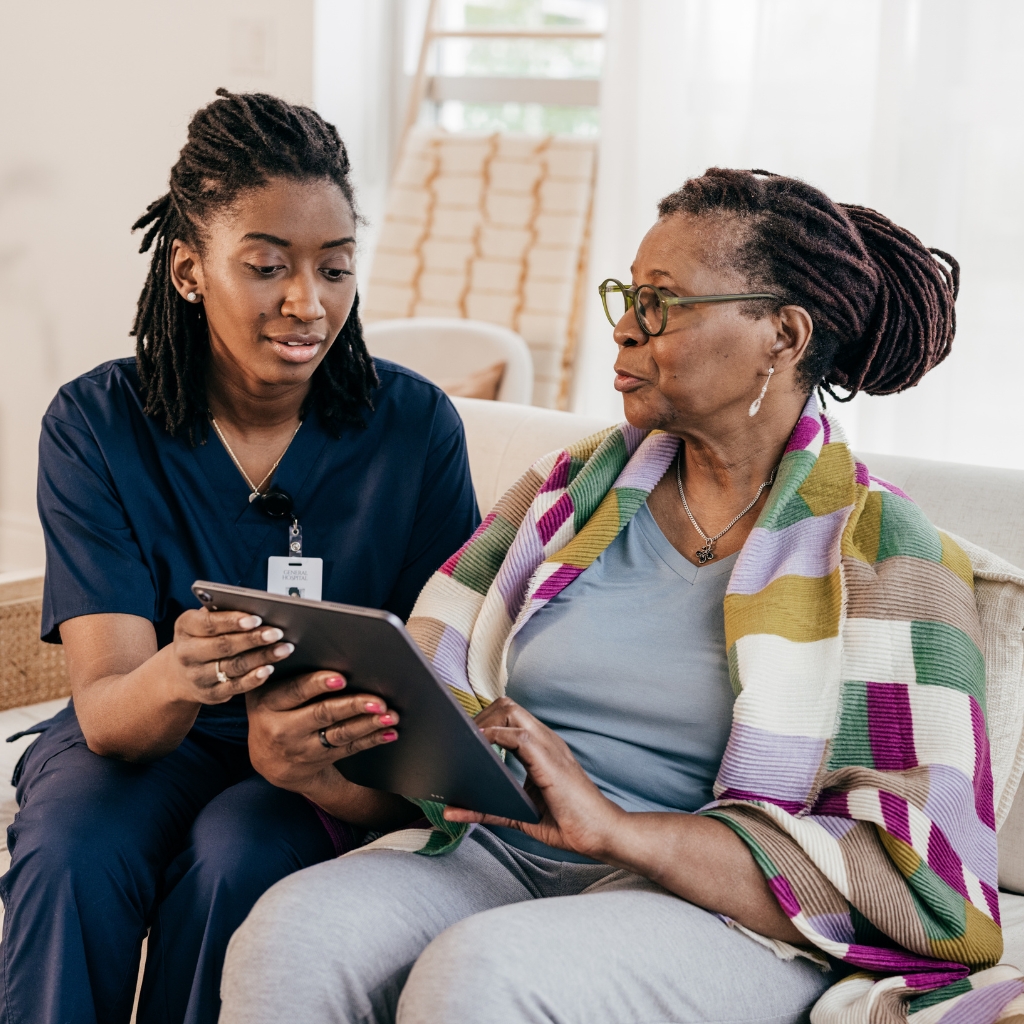
We coordinate every aspect of the transition process, creating personalized care plans that support a smooth recovery and help clients avoid unnecessary setbacks.
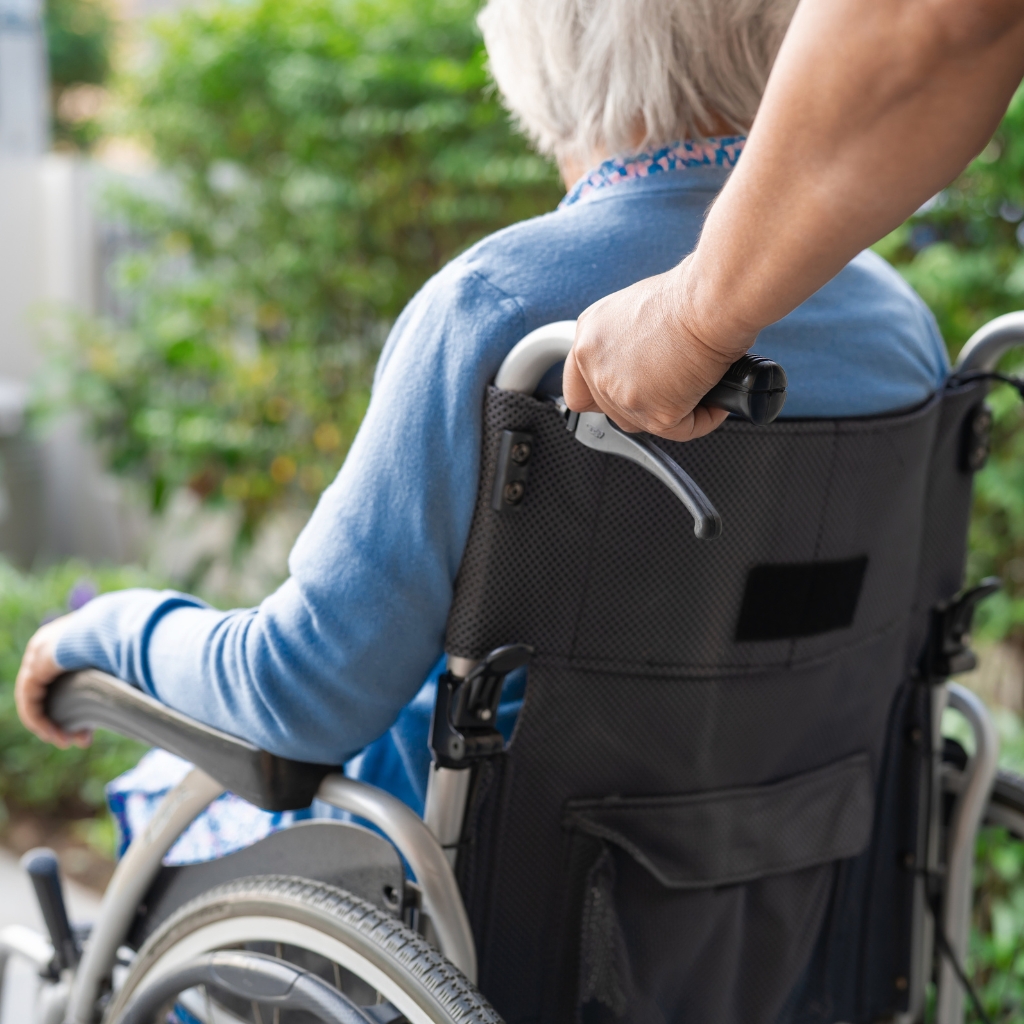
Our caregivers provide safe transportation and personal accompaniment from hospital to home, helping clients feel supported and confident throughout their transition.
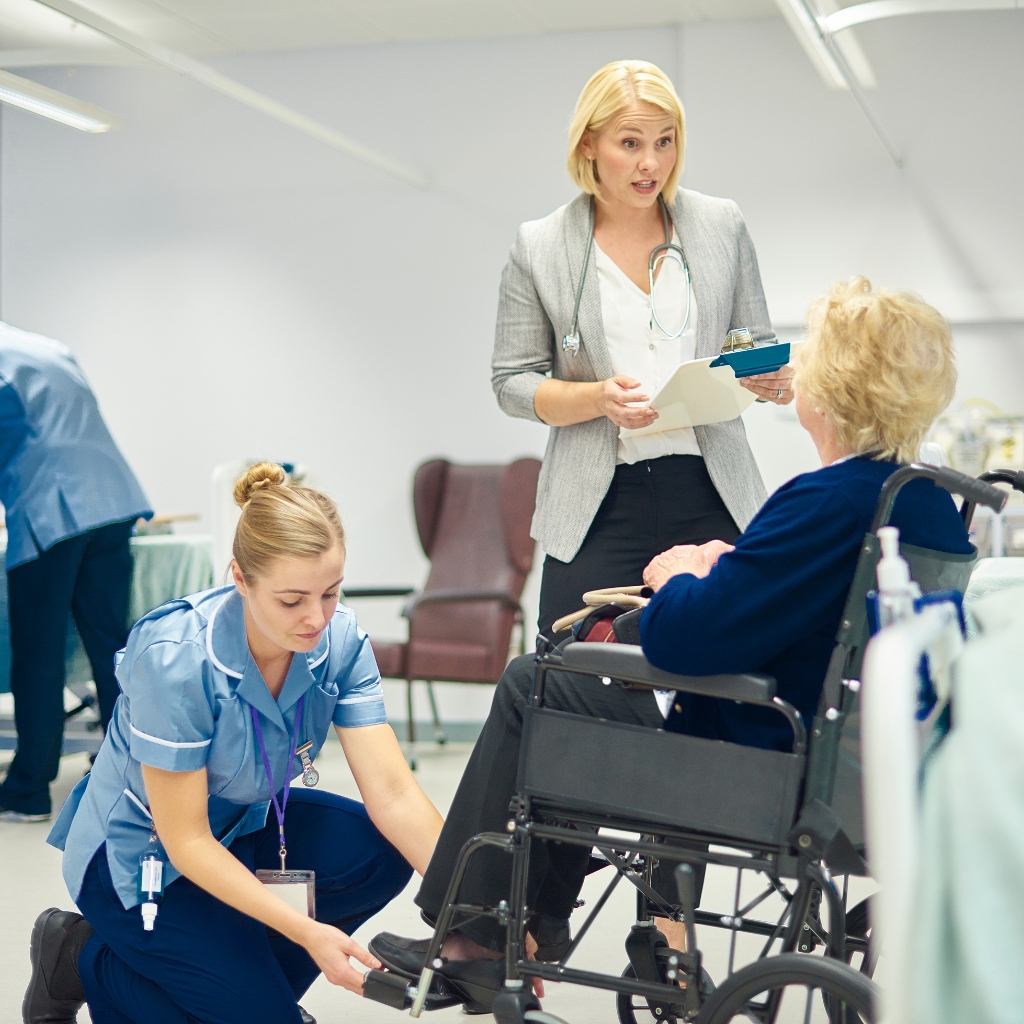
We help clients and families understand medications, follow discharge instructions, and confidently manage recovery through our personalized transitional care services.
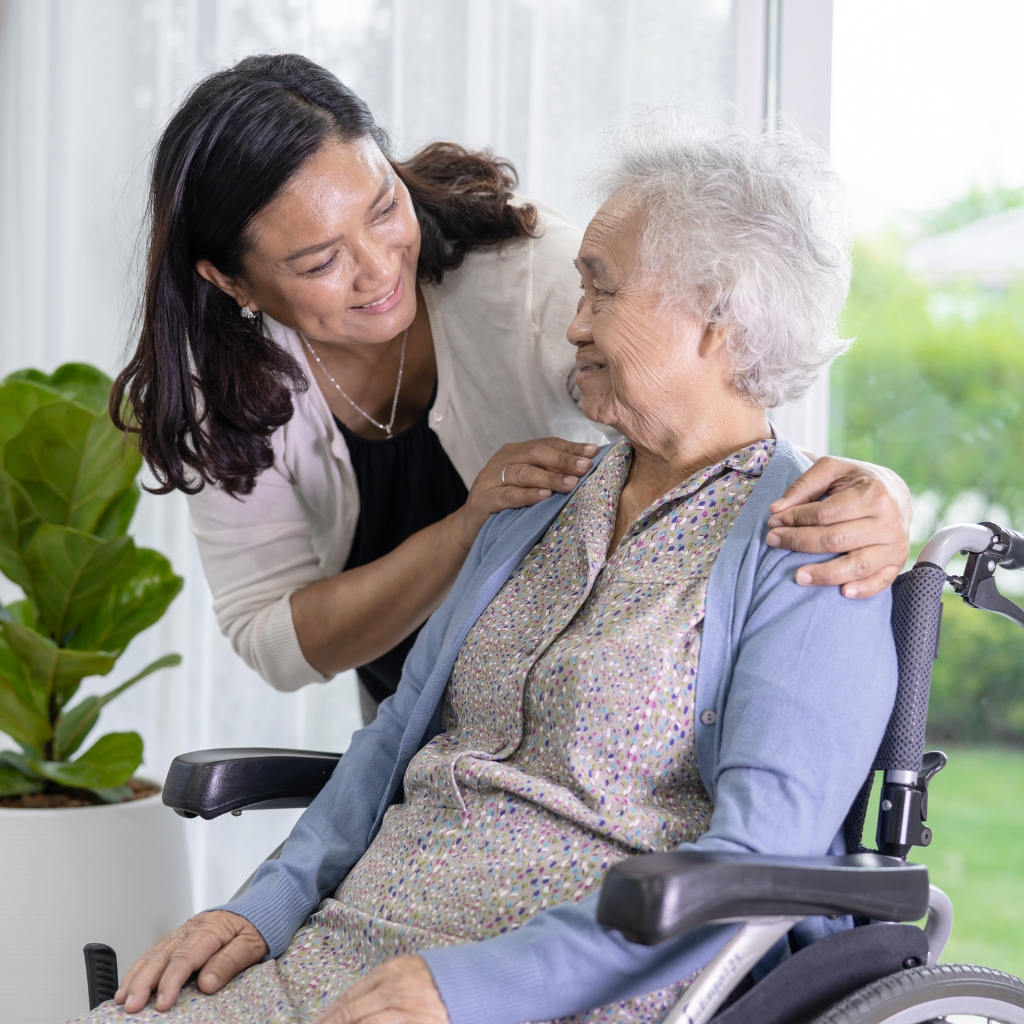
Our dedicated caregivers provide personalized personal care following discharge, helping clients recover comfortably while maintaining dignity and independence.

Our nursing team provides ongoing clinical follow-up and health monitoring to support recovery goals and help prevent avoidable hospital readmissions.
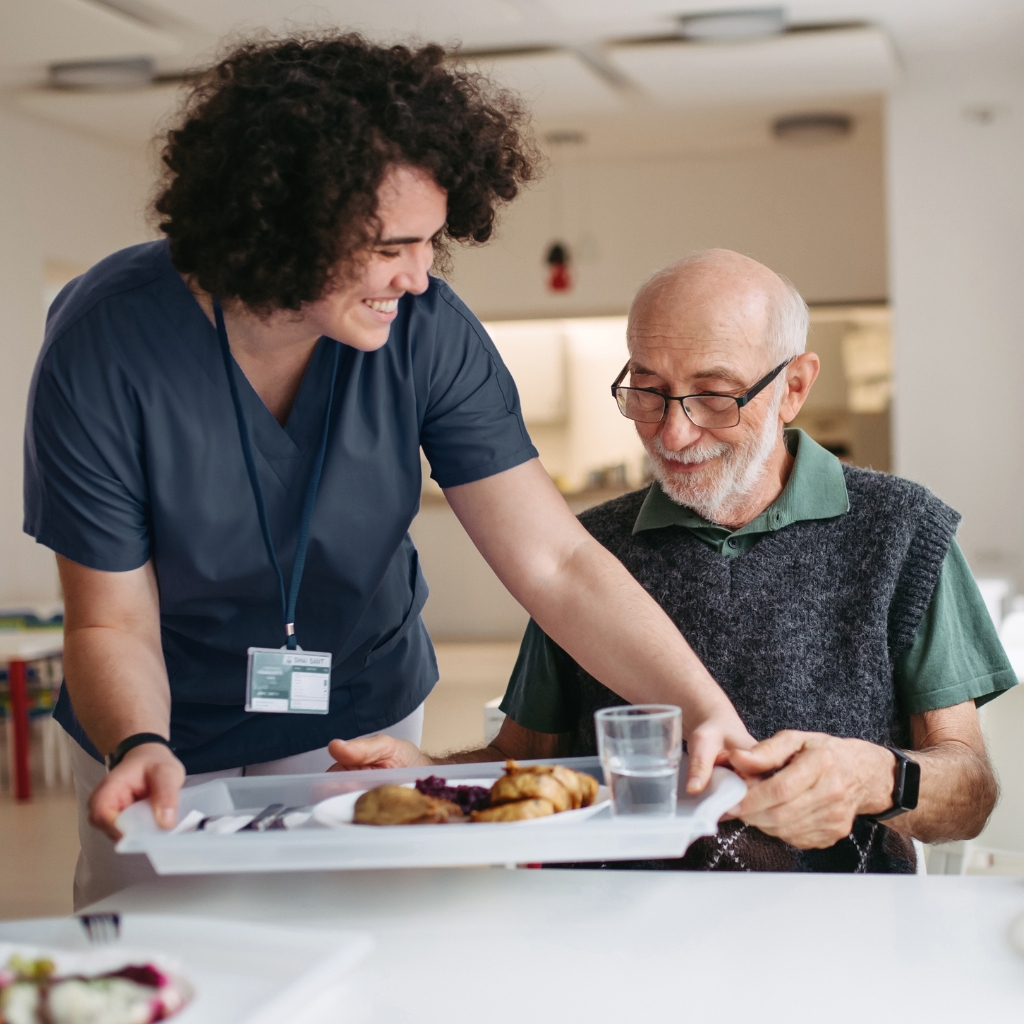
We provide personalized meal preparation and hydration support that promotes healing, improves strength, and supports a successful recovery at home.
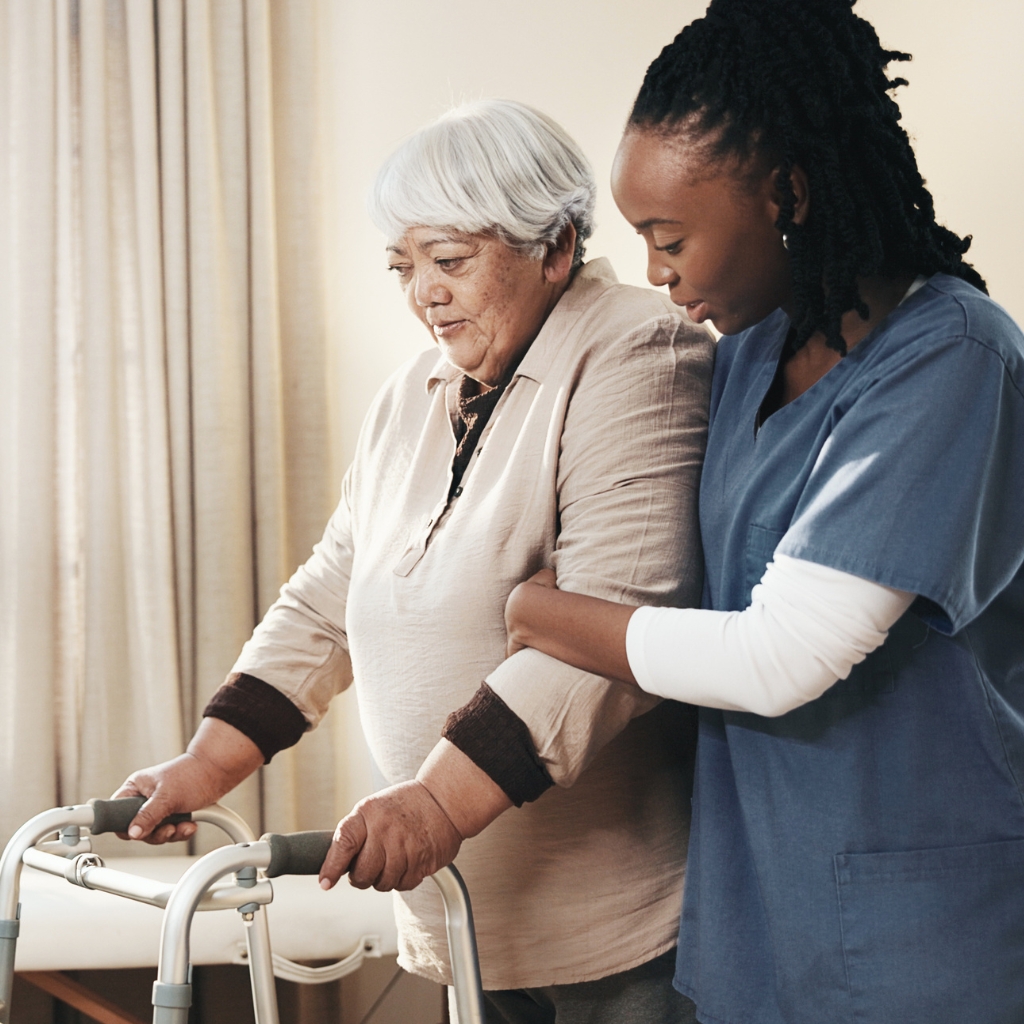
Our transitional care team provides safe mobility support that helps clients regain confidence, maintain independence, and reduce the risk of falls.
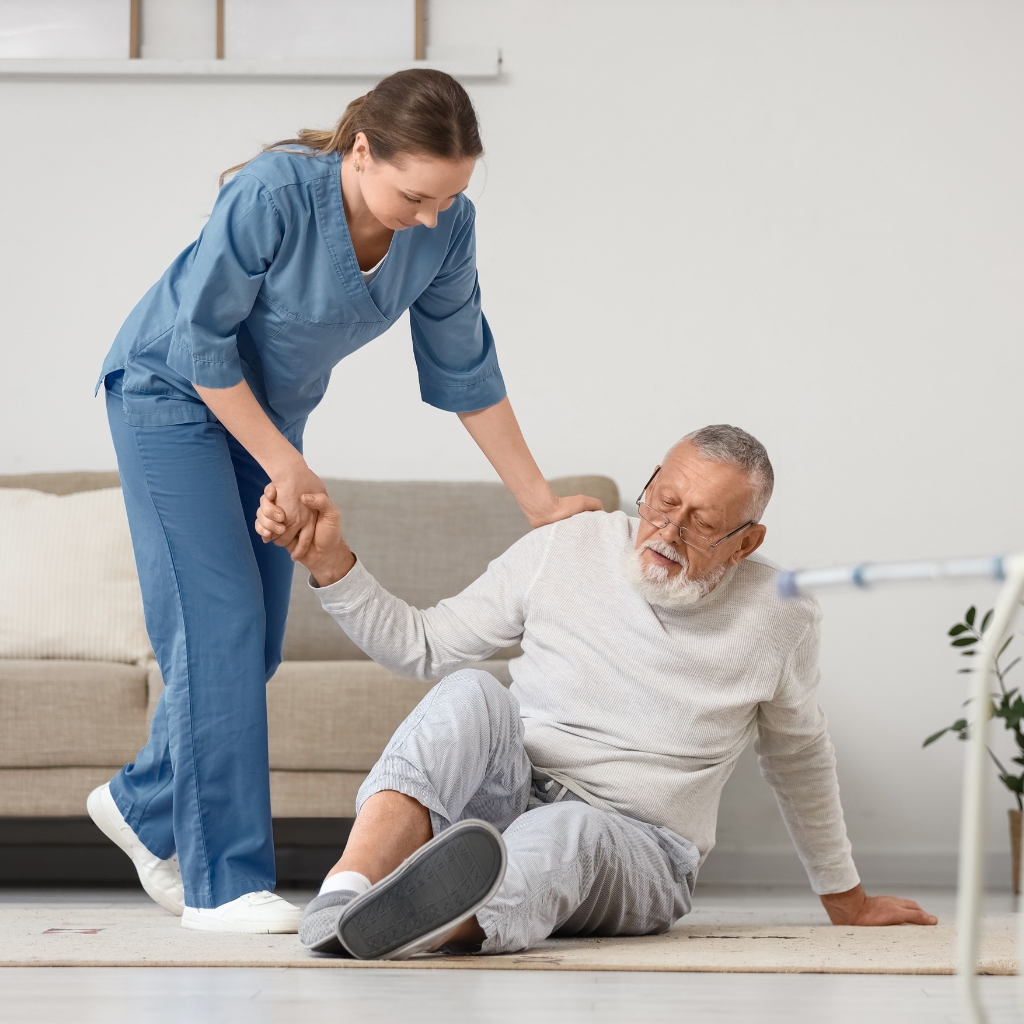
We assess and support a safer home environment through personalized falls-prevention strategies that help clients recover with greater confidence.

Our overnight transitional care services provide reassurance, safety, and attentive support during the critical early stages of recovery.
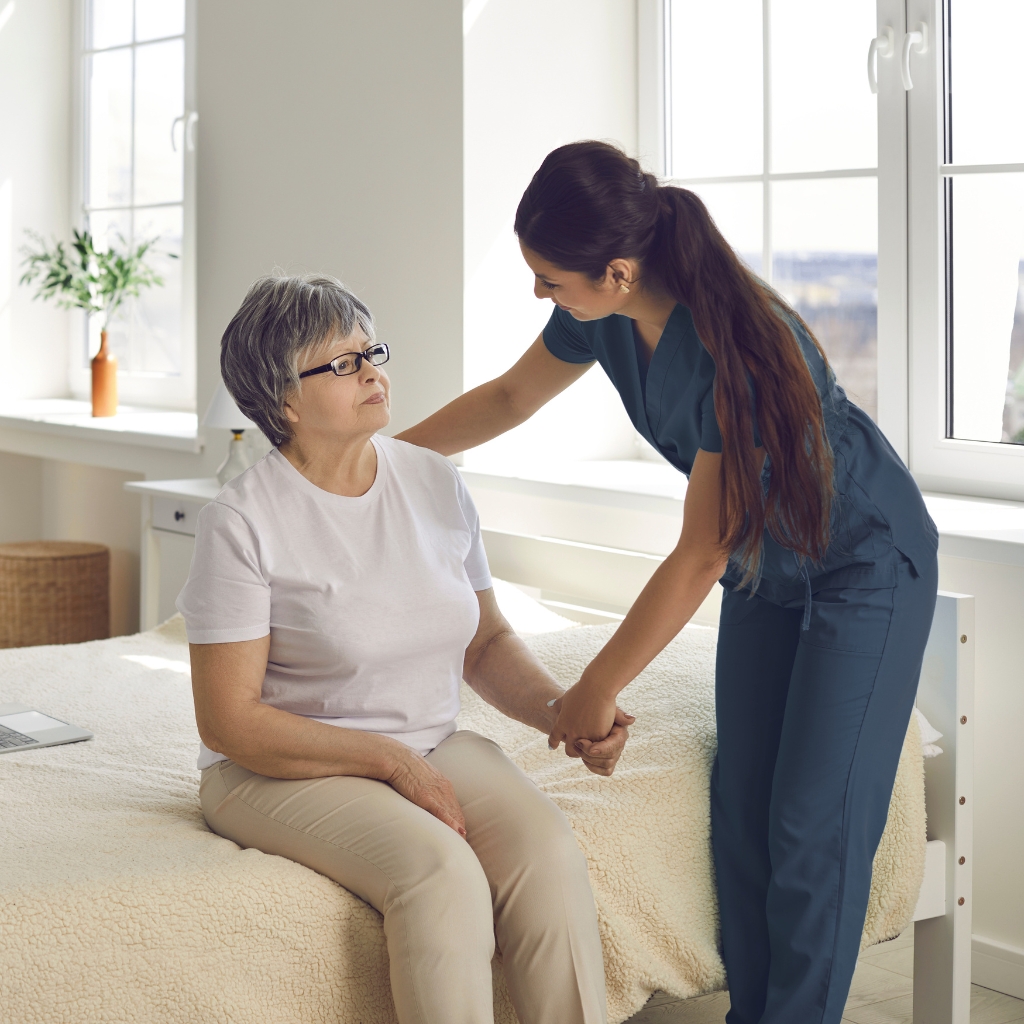
We provide around-the-clock transitional care and supervision when clients require enhanced support, monitoring, and assistance following hospitalization.

Our team works closely with families and healthcare providers to ensure clear communication, seamless care coordination, and the best possible recovery experience.
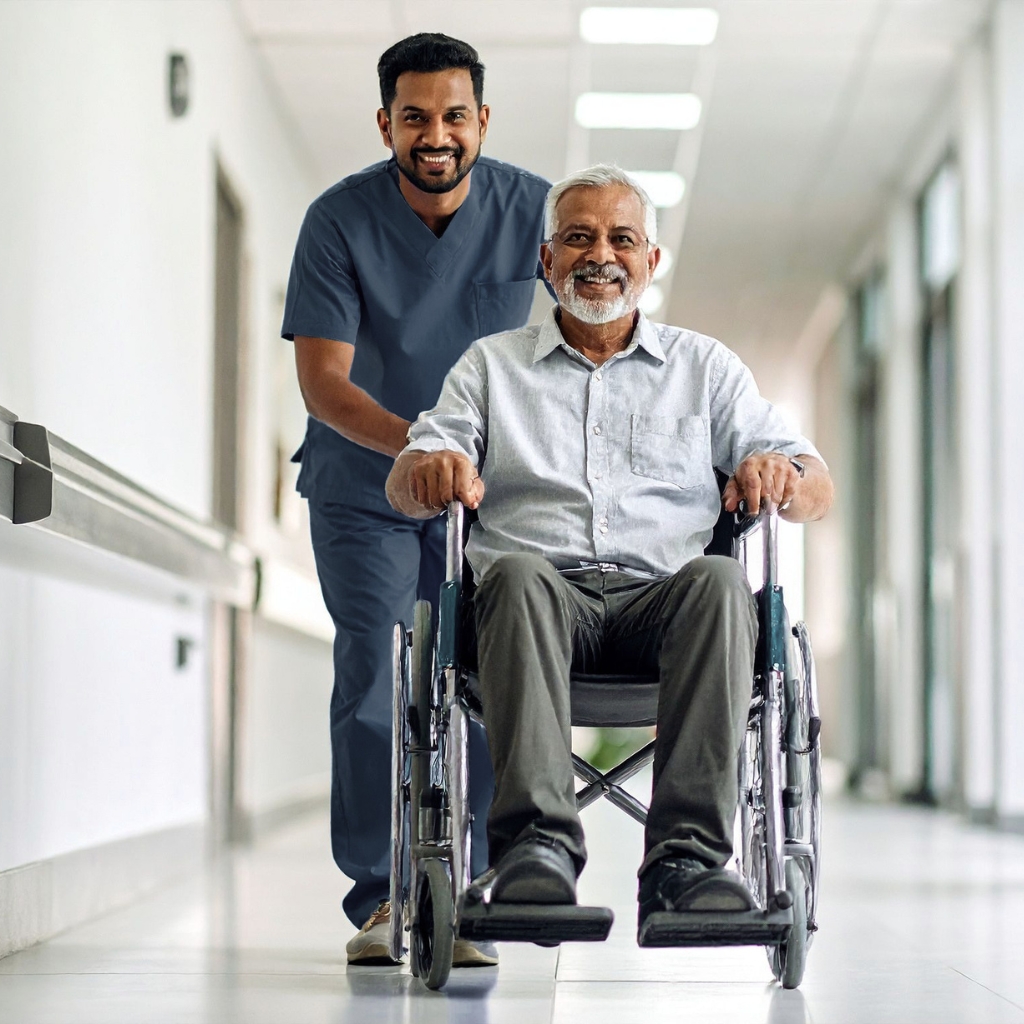
We provide comprehensive transition support that bridges the gap between facility-based care and independent living at home.
Frequently Asked Questions
In many situations, yes.
Rapid support may be required when there has been:
- an unexpected hospital discharge
- a fall
- sudden caregiver illness
- a change in cognition
- surgery
- a new diagnosis
- increased wandering or nighttime behaviours
- an urgent need for additional supervision
The appropriate start time depends on the person’s care requirements and the availability of a suitably matched care professional.
Ideally, before discharge.
Hospital discharge can happen quickly, and the first several days at home are often when families discover gaps they had not anticipated.
Consider arranging support when the person has:
- reduced mobility
- weakness or deconditioning
- new medications
- wound care needs
- cognitive changes or delirium
- difficulty bathing or dressing
- fall risk
- poor appetite
- difficulty transferring
- limited family support
- complex medical needs
Planning before discharge allows the home environment, schedule and care team to be prepared before the person arrives.
Hospital-to-home care provides additional support as someone transitions from hospital back into their home, retirement residence or other living environment.
Care may include:
- personal care
- mobility assistance
- meal and hydration support
- medication reminders or nursing support
- fall prevention
- companionship
- appointment accompaniment
- nursing assessments
- wound care when appropriate
- coordination with rehabilitation professionals
- communication with the family and care team
The objective is a safer, more confident transition home and a stronger recovery experience.
Yes.
Care professionals can provide accompaniment to medical appointments, rehabilitation visits, diagnostic testing and other healthcare appointments.
Depending on the care plan, support may include transportation coordination, mobility assistance, companionship, helping the client navigate the appointment and communicating relevant information to the family. This can be particularly helpful for older adults living alone or for families who cannot attend every appointment.
No service can guarantee that a fall will never occur, but appropriate care can help reduce risk.
Support may include:
- supervised walking
- transfer assistance
- reminders to use mobility aids
- keeping frequently used items accessible
- identifying environmental hazards
- toileting assistance
- proper footwear reminders
- hydration and nutrition support
- observation for changes in strength or function
Repeated falls should be taken seriously and may warrant further clinical assessment.
Have more questions? Visit our FAQs page or Contact Us.
Book a free consultation today.