

Specialized & Complex Care
Person-centred support for individuals living with complex medical, neurological, cognitive, or chronic conditions, with care tailored to their changing needs.

Our Specialized & Complex Care team provides personalized dementia and Alzheimer’s support focused on safety, routine, cognitive engagement, and preserving quality of life while helping families navigate the challenges of memory loss.
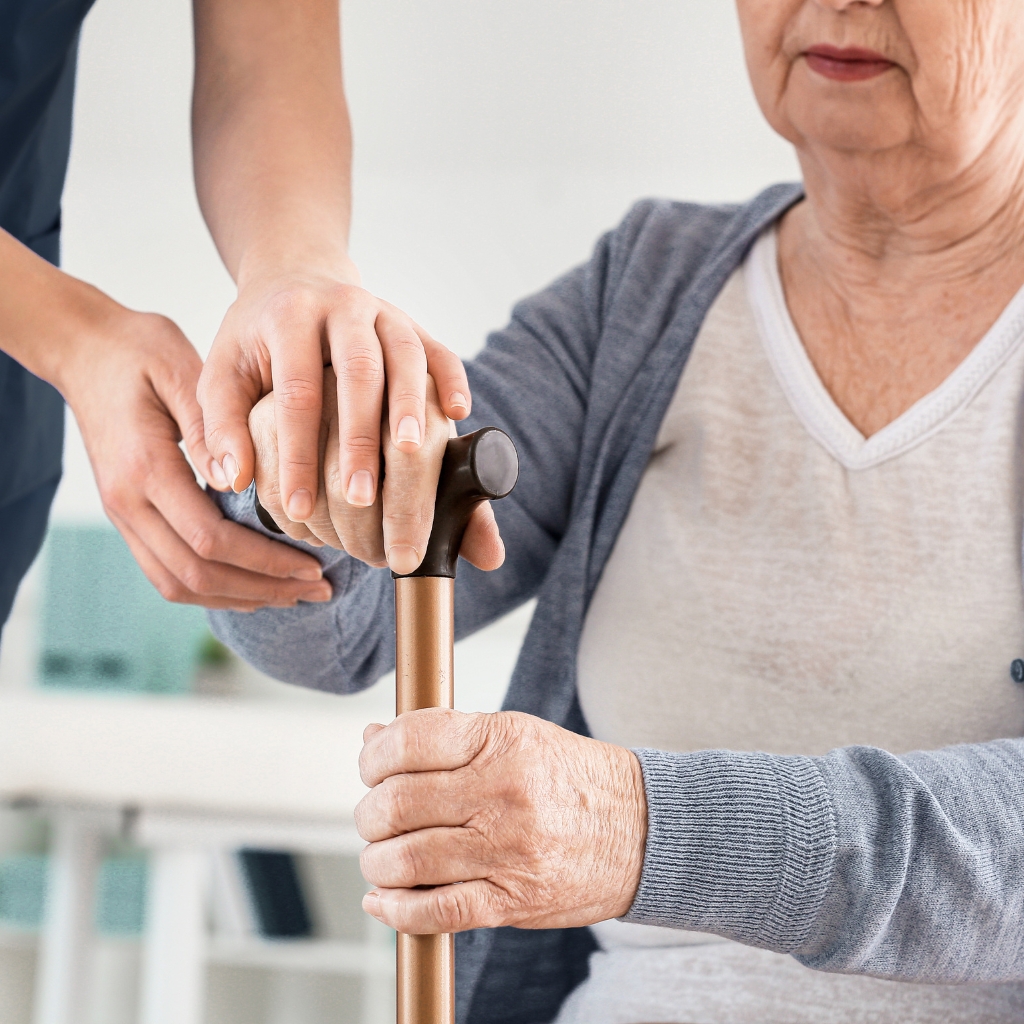
We provide individualized Parkinson’s care that supports mobility, daily functioning, and overall well-being while adapting to the unique and evolving needs of each client.

Our specialized caregivers and nursing team provide personalized stroke support that promotes recovery, independence, and confidence while helping clients adjust to life after a stroke.
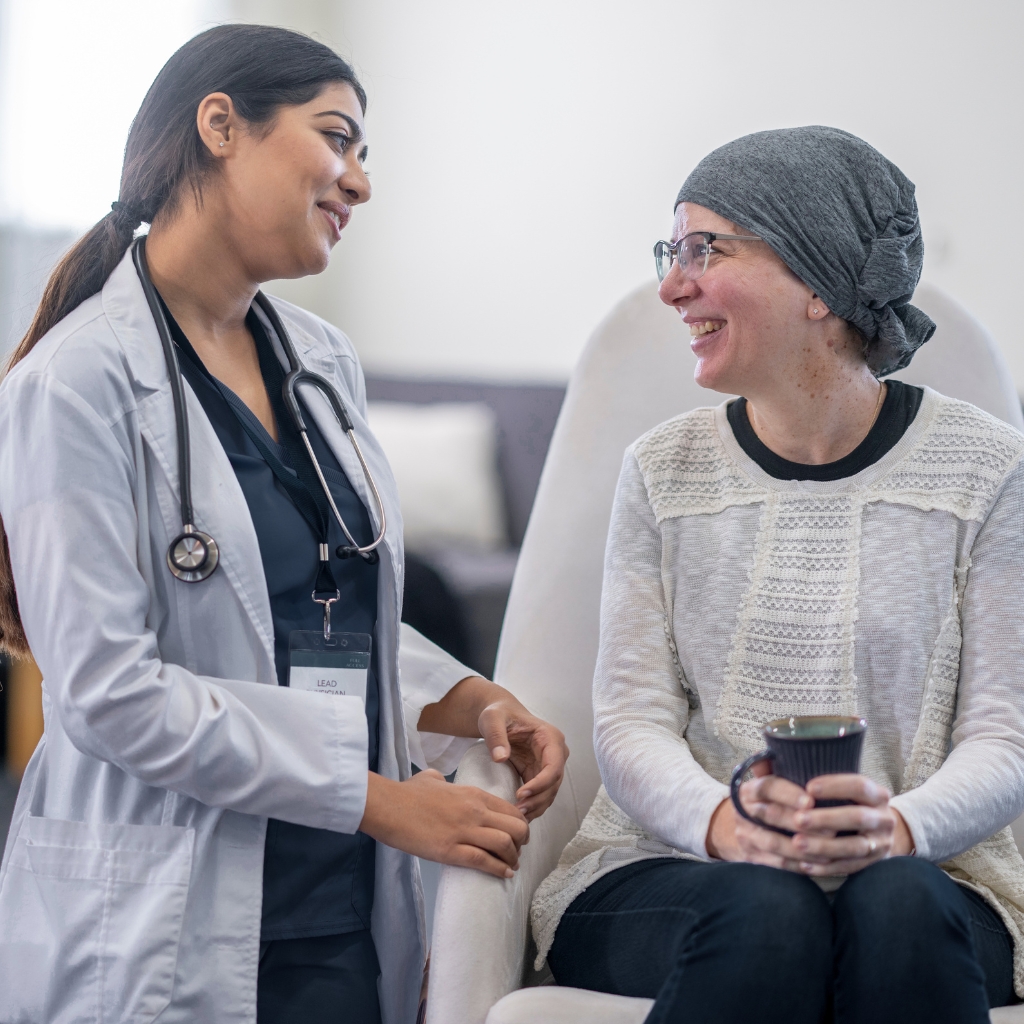
We deliver compassionate cancer care that supports clients throughout treatment and recovery, focusing on comfort, symptom management, emotional well-being, and quality of life.

Our personalized palliative care services provide comfort, dignity, and compassionate support for clients and families during every stage of a life-limiting illness.

We provide ongoing support for individuals living with chronic health conditions, helping them maintain their independence, manage symptoms, and enhance their quality of life.

Our specialized neurological care services are tailored to the unique needs of individuals living with neurological conditions, providing expert support that promotes safety, comfort, and well-being.

We provide personalized behavioural and cognitive support designed to enhance daily functioning, reduce stress, and help clients maintain meaningful routines and activities.

Our specialized care team provides proactive mobility and falls-prevention support that helps reduce risks while promoting confidence and independence.
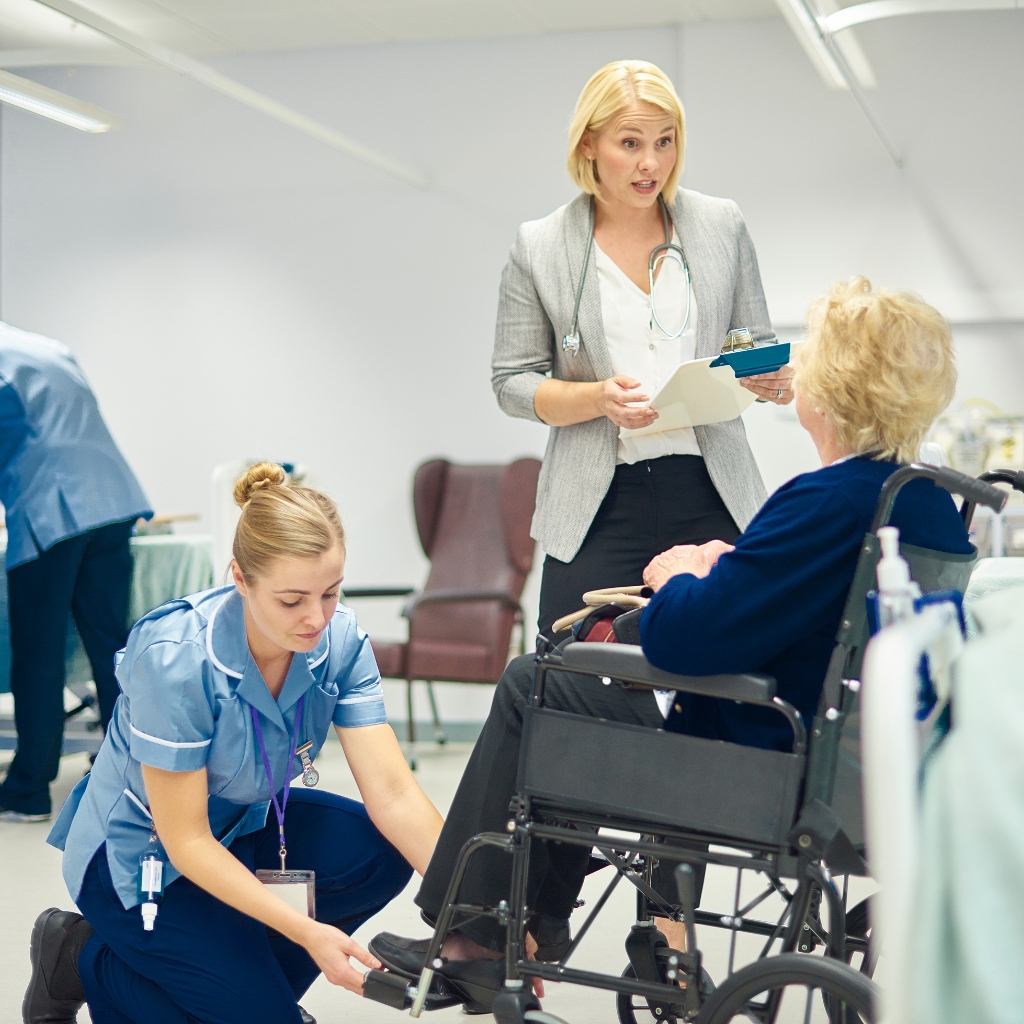
We deliver comprehensive care solutions for clients with multiple or advanced medical needs, ensuring personalized support that adapts as health conditions evolve.

Our flexible care approach allows us to respond quickly to changing health situations, ensuring clients continue receiving the right level of support at every stage.

We work closely with families, healthcare providers, and community partners to ensure coordinated, personalized care that supports the best possible outcomes.
Frequently Asked Questions
No.
Home care can support adults of many ages following surgery, hospitalization, illness or injury, as well as people living with disabilities, neurological conditions, chronic illnesses or complex medical needs. Support can be temporary during recovery or continue for months or years as needs evolve.
Consider additional support when changes in memory or behaviour begin affecting safety, independence or quality of life.
Examples include:
- wandering
- nighttime wakefulness
- agitation
- repeated questioning
- forgetting meals
- medication concerns
- poor judgement
- difficulty with personal care
- unsafe cooking
- falls
- loneliness
- caregiver exhaustion
Early support can sometimes help maintain familiar routines and reduce unnecessary disruption.
Excellent dementia care requires much more than supervision.
It requires understanding the person behind the diagnosis.
A skilled approach considers:
- life history
- personality
- routines
- interests
- previous occupation
- culture
- language
- sources of comfort
- triggers for distress
- preferred communication style
Instead of asking only, “What behaviour are we seeing?”, an experienced care team asks:
“What might this person be trying to communicate?”
That distinction can transform care.
Yes.
Nighttime confusion, wandering, restlessness or changes in sleep can be especially challenging for families.
Overnight care can provide reassurance, redirection, toileting assistance, fall prevention, hydration support and supervision while also allowing family caregivers to rest. A thoughtful care plan should also look for patterns and possible contributing factors rather than viewing every behaviour as simply “part of dementia.”
Many people wish to remain in familiar surroundings during serious illness or at end of life.
Home-care professionals can work alongside the client’s physicians, palliative team and publicly funded services to provide additional comfort-focused support.
Depending on the care plan, this may include personal care, positioning, mouth care, comfort measures, family respite, companionship, nursing support, overnight care and presence so the individual is not alone. At this stage, care becomes less about completing tasks and more about preserving comfort, dignity, presence and human connection.
Have more questions? Visit our FAQs page or Contact Us.
Book a free consultation today.