
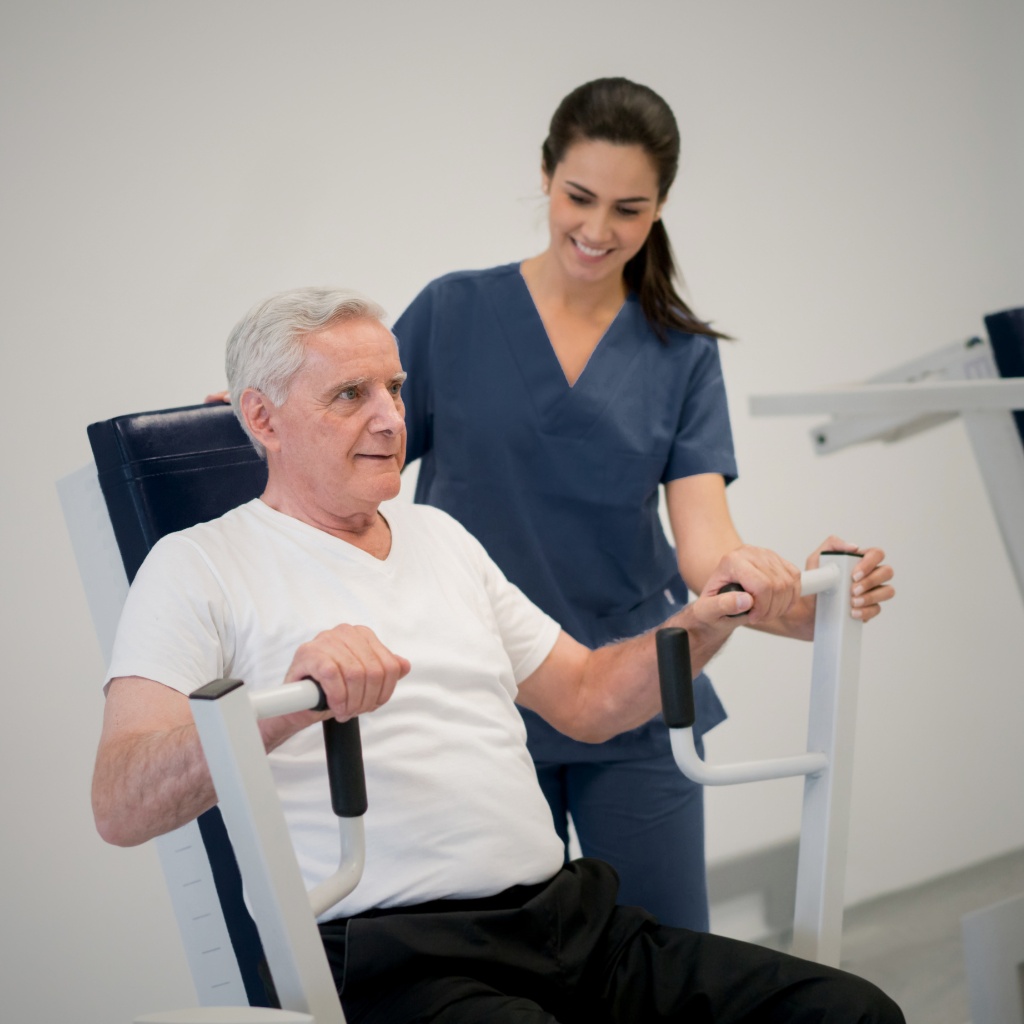
Disability & Long-Term Care Support
Consistent, individualized support for people living with physical, developmental, or acquired disabilities, with a focus on independence, participation, and quality of life.

Our Disability & Long-Term Care team provides personalized support that helps individuals with physical disabilities maintain independence, maximize mobility, and continue living comfortably in their preferred environment.
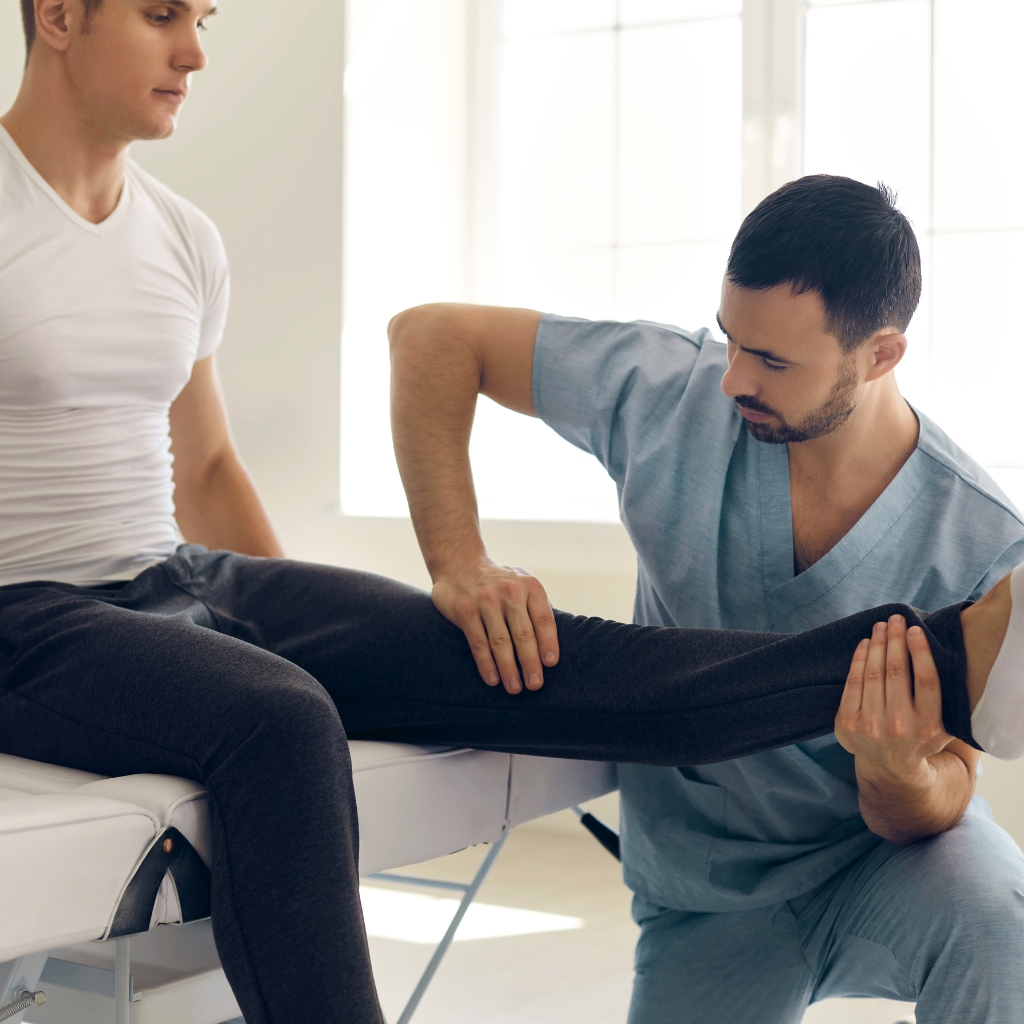
We provide individualized support tailored to each person’s unique abilities, goals, and needs, helping promote independence, community participation, and quality of life.

Our care team delivers flexible and personalized support for individuals living with acquired disabilities, helping them adapt to changing needs while maintaining dignity and independence.
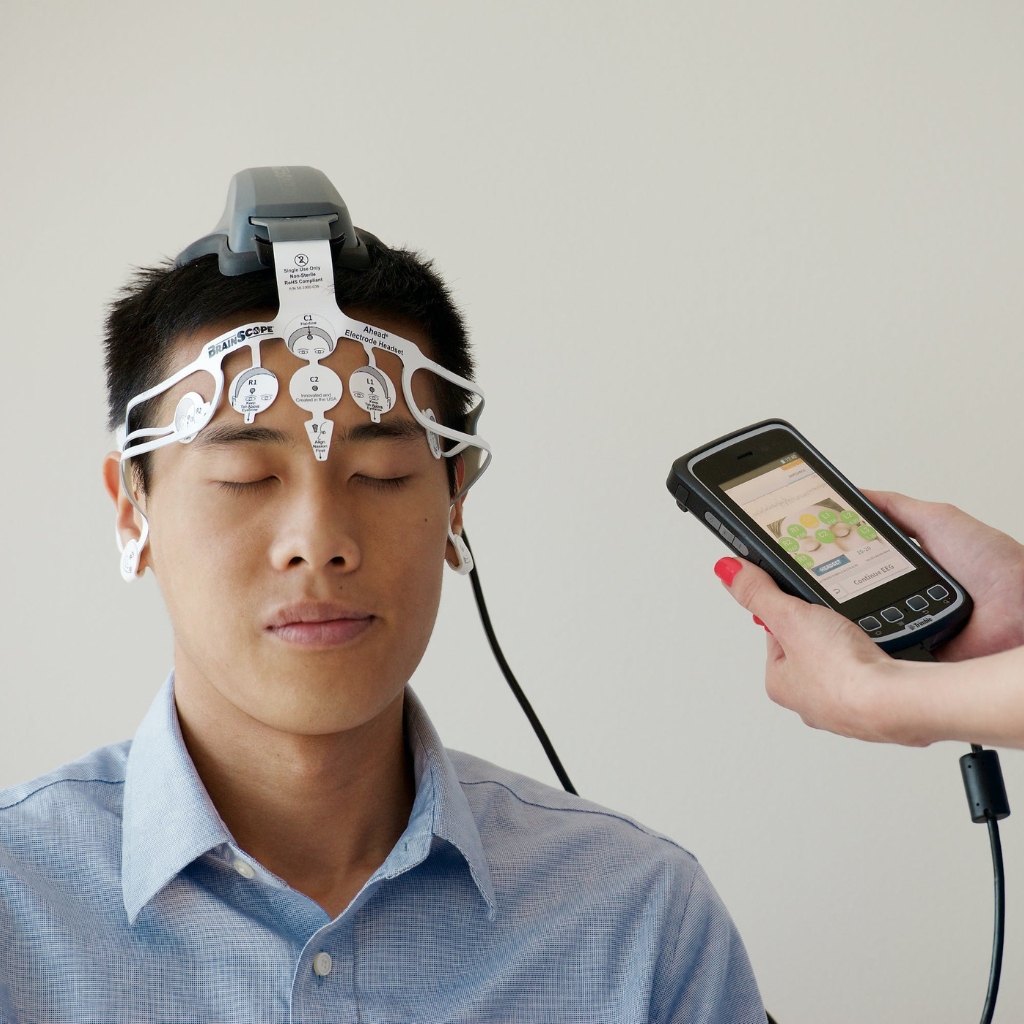
We provide specialized care and rehabilitation support for individuals living with acquired brain injuries, helping them achieve greater independence, confidence, and daily functioning.

Our experienced caregivers provide personalized support for individuals with spinal cord injuries, focusing on comfort, mobility, safety, and long-term quality of life.
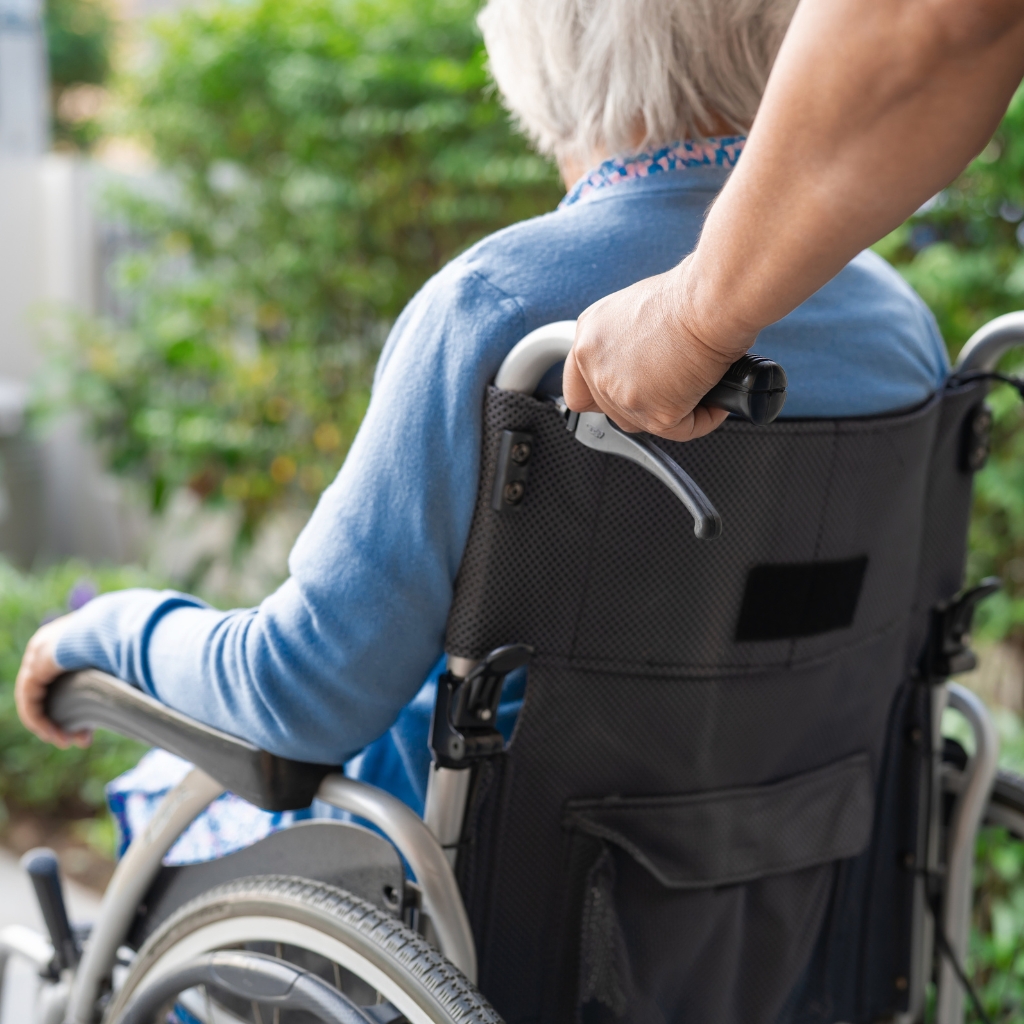
We provide ongoing mobility support that helps clients move safely and confidently while maintaining their independence and participation in daily activities.
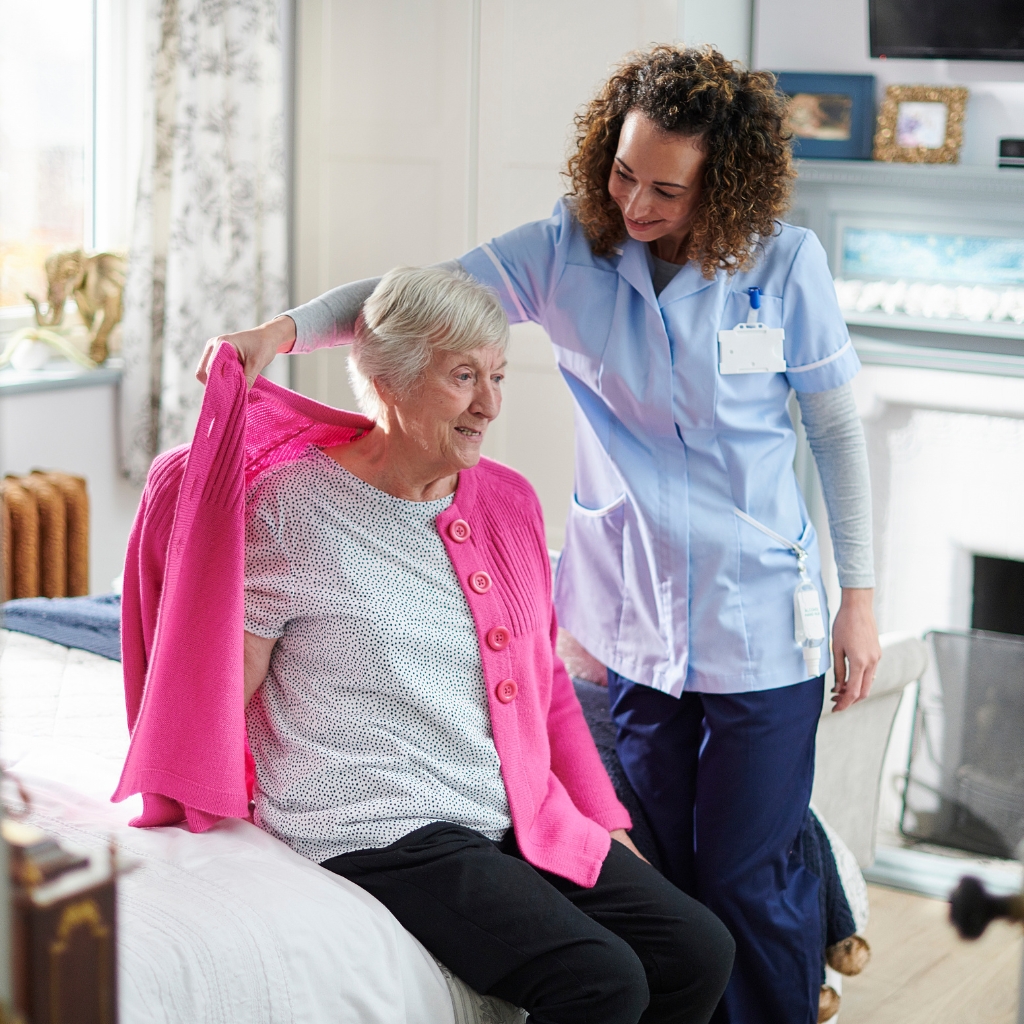
Our caregivers provide personalized assistance with daily routines and personal care, helping clients remain comfortable, independent, and empowered in their everyday lives.

We support clients in staying active and engaged within their communities by encouraging meaningful participation in social, recreational, and personal activities.

Our caregivers provide reliable accompaniment and support for appointments, programs, and community activities, helping clients stay connected and involved.
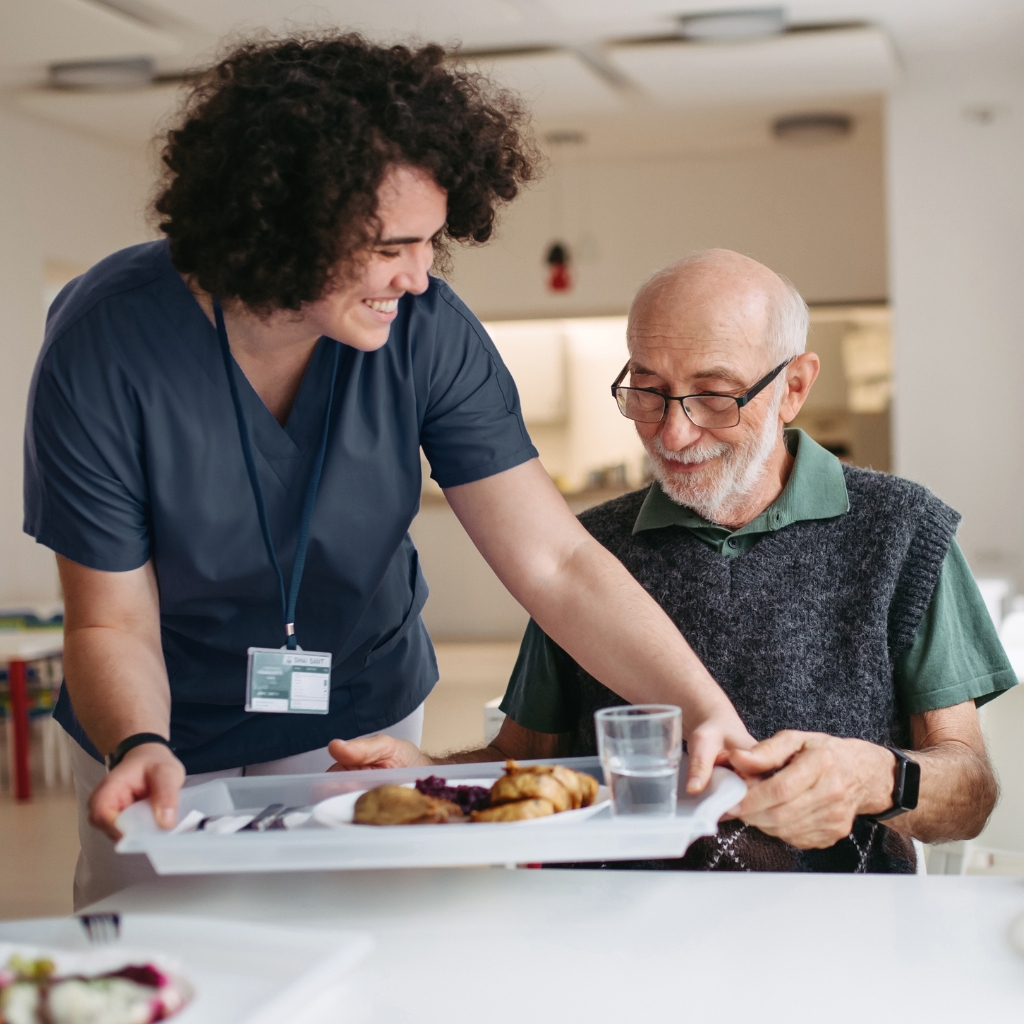
We provide practical household and meal preparation support that promotes a safe, comfortable, and healthy living environment.
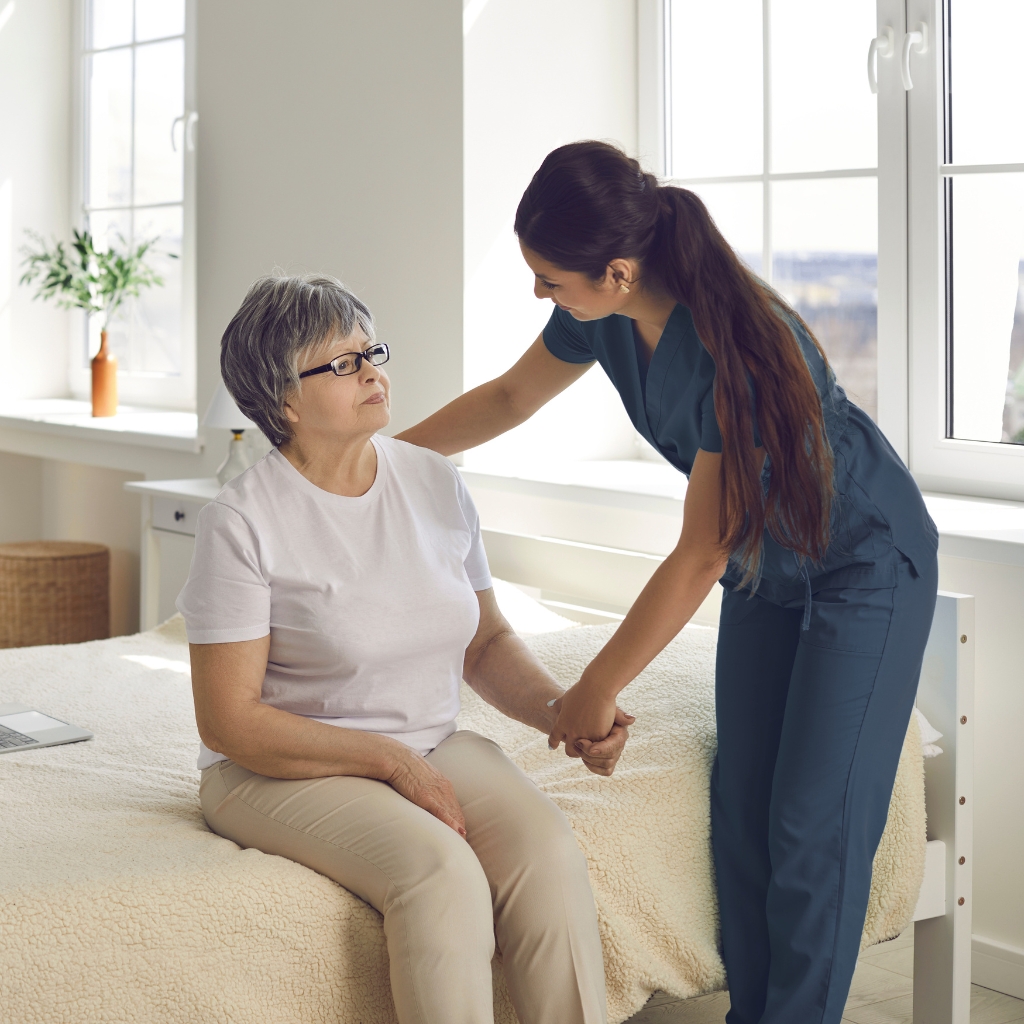
Our attendant care services deliver personalized assistance with daily activities and ongoing support needs, helping clients maintain the highest possible level of independence.

When clinical care needs arise, our nursing team provides professional support and health oversight that complements our long-term care services.

We create personalized care solutions that help clients remain safely and comfortably in their own homes while maintaining their independence for as long as possible.

We carefully match clients with compatible caregivers to foster meaningful relationships, continuity of care, and a more personalized support experience.
Frequently Asked Questions
No.
Home care can support adults of many ages following surgery, hospitalization, illness or injury, as well as people living with disabilities, neurological conditions, chronic illnesses or complex medical needs. Support can be temporary during recovery or continue for months or years as needs evolve.
A Personal Support Worker, or PSW, may assist with activities such as:
- bathing
- dressing
- grooming
- toileting
- mobility
- transfers
- meal support
- hydration
- companionship
- light activities related to the care environment
- reminders and routines
- safety supervision
The exact responsibilities depend on the person’s assessed needs and care plan.
The appropriate professional depends on the complexity of care.
A PSW primarily assists with personal care, activities of daily living, mobility, companionship and supportive care.
A Registered Practical Nurse (RPN) is a regulated nursing professional who can provide nursing care within their professional scope and based on the client’s condition and complexity.
A Registered Nurse (RN) has a broader nursing scope and may be appropriate when assessment, clinical judgement or more complex nursing oversight is required.
A quality home-care provider should help determine the right level of professional care rather than automatically assigning the most expensive or least expensive option.
For many people, yes, with the right supports.
Aging in place does not mean doing everything independently.
It means creating an environment in which the person can continue living in familiar surroundings while receiving appropriate assistance as their needs change.
This may involve gradually increasing personal care, meal assistance, companionship, medication support, nursing, mobility support, overnight care, dementia supervision and respite care. Successful aging in place is rarely about one service. It is about building the right circle of support around the person.
Yes, and it should.
Older adults’ needs can change following illness, hospitalization, falls, cognitive decline or changes in mobility.
A strong care plan is not a static document. It should evolve with the individual.
Care may begin with companionship for several hours each week and later include personal support, overnight care, nursing or more extensive assistance.
Have more questions? Visit our FAQs page or Contact Us.
Book a free consultation today.