Category: Blog

  • Recognizing Mental Health Red Flags: Why Early Awareness Matters

    Recognizing Mental Health Red Flags: Why Early Awareness Matters

    Modern Angels Healthcare
    Join Our Newsletter

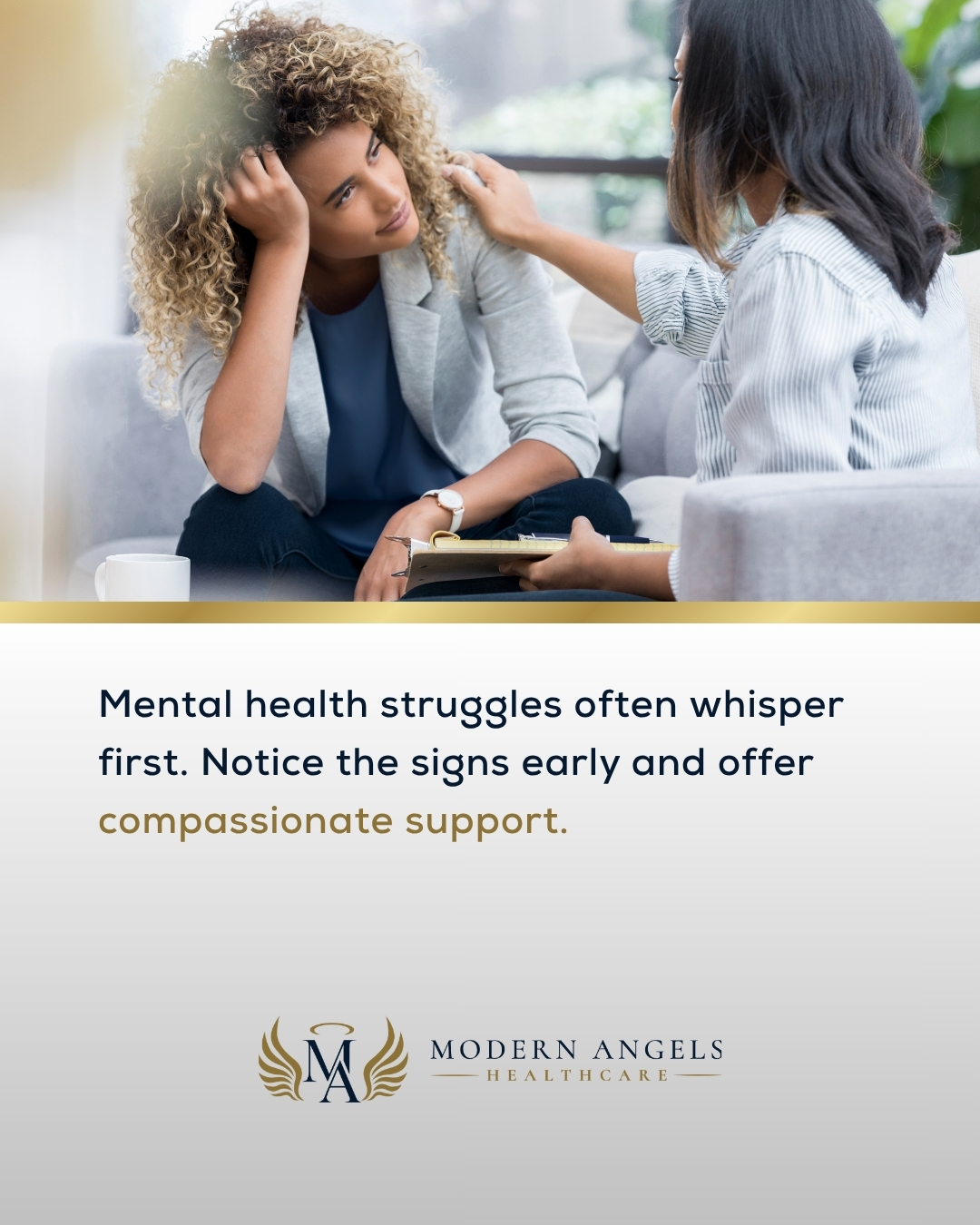
    Mental health is an important part of overall wellbeing, yet many people struggle to recognize the early warning signs when emotional challenges begin to emerge. Mental health concerns often develop gradually, making it easy to dismiss symptoms as temporary stress, fatigue, or a difficult period in life.

    Learning to recognize mental health red flags can help individuals, families, and caregivers offer support before challenges become more serious.

    One of the most common warning signs is a noticeable change in mood. A person may seem persistently sad, irritable, anxious, or emotionally overwhelmed for an extended period. While everyone experiences difficult days, ongoing emotional distress that affects daily life should not be ignored.

    Changes in social behaviour are another important indicator. Someone who previously enjoyed spending time with family and friends may begin withdrawing from social activities or avoiding meaningful interactions. Isolation can sometimes signal emotional struggles that require attention and support.

    Sleep and appetite changes are also frequently associated with mental health concerns. Some individuals may experience difficulty falling asleep, staying asleep, or sleeping far more than usual. Others may lose interest in food or experience significant changes in eating habits. When these patterns continue over time, they may indicate deeper emotional challenges.

    Difficulty concentrating, reduced motivation, and declining interest in hobbies or favourite activities can also be warning signs. Tasks that once felt simple may suddenly become overwhelming. This can affect relationships, work, personal responsibilities, and overall quality of life.

    Another red flag involves excessive worry, fear, or stress that feels difficult to manage. Persistent anxiety can impact physical health, emotional wellbeing, and daily functioning. Individuals may feel constantly on edge or struggle to relax even in safe situations.

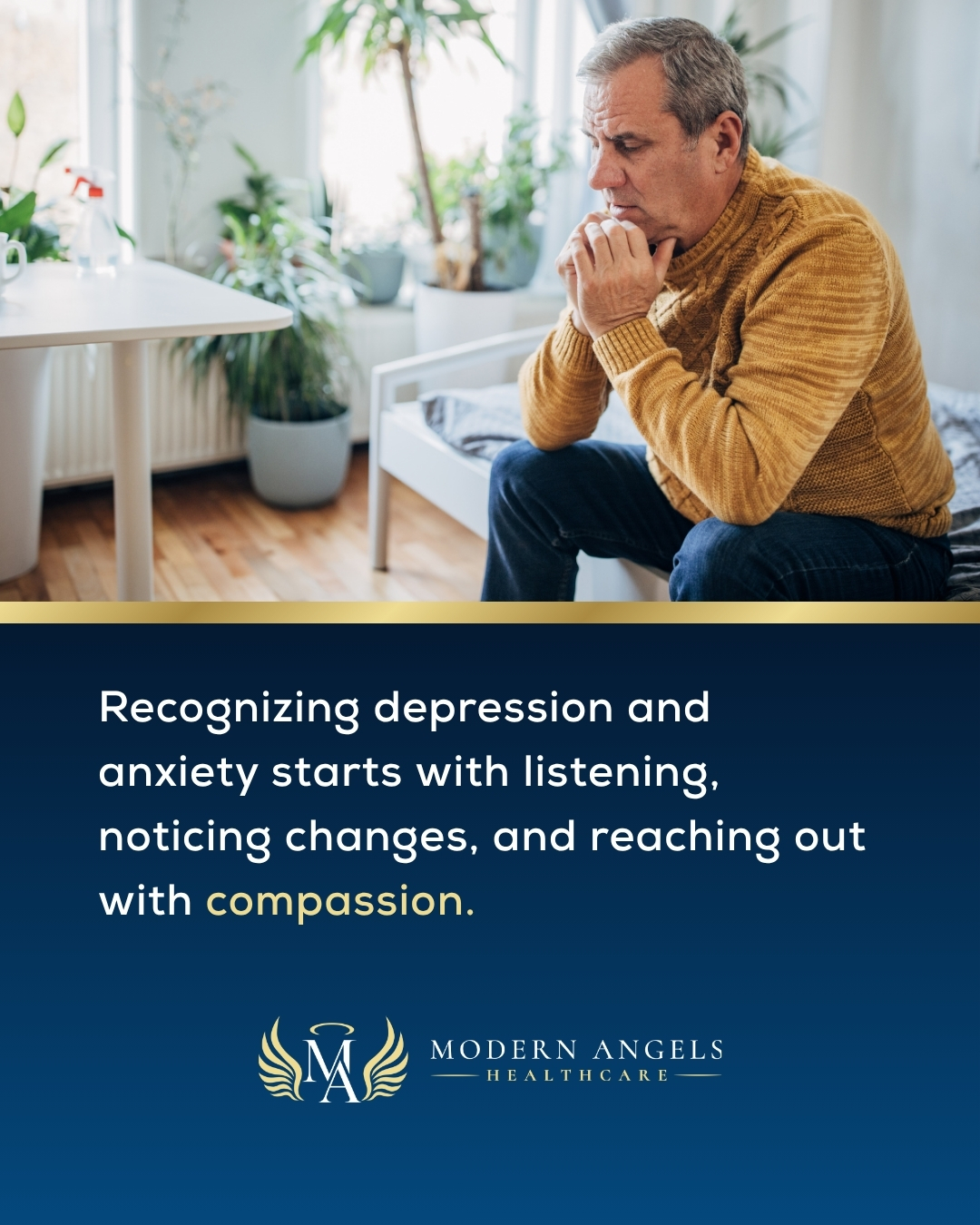
    Recognizing these signs does not mean automatically assuming someone has a mental illness. Mental health is complex, and symptoms can have many causes. However, noticing patterns and approaching concerns with compassion can encourage meaningful conversations and appropriate support.

    If a loved one appears to be struggling, begin with empathy. Listen without judgment, avoid criticism, and create a safe space for open discussion. Sometimes the simple act of checking in and asking how someone is feeling can make a significant difference.

    For seniors and individuals managing health challenges, emotional wellbeing is closely connected to physical health and independence. Compassionate support, regular social interaction, and attentive caregiving can help reduce feelings of loneliness and emotional distress.

    At Modern Angels Healthcare, we believe that caring for people means supporting the whole person, not just their physical needs. Our caregivers understand the importance of companionship, dignity, and meaningful human connection in promoting overall wellbeing.

    Recognizing mental health red flags early allows individuals and families to take proactive steps toward support and care. Small signs should never be ignored, and seeking help is a sign of strength, not weakness.

  • Safe and Effective Pain Management: Improving Comfort and Quality of Life

    Safe and Effective Pain Management: Improving Comfort and Quality of Life

    Modern Angels Healthcare
    Join Our Newsletter

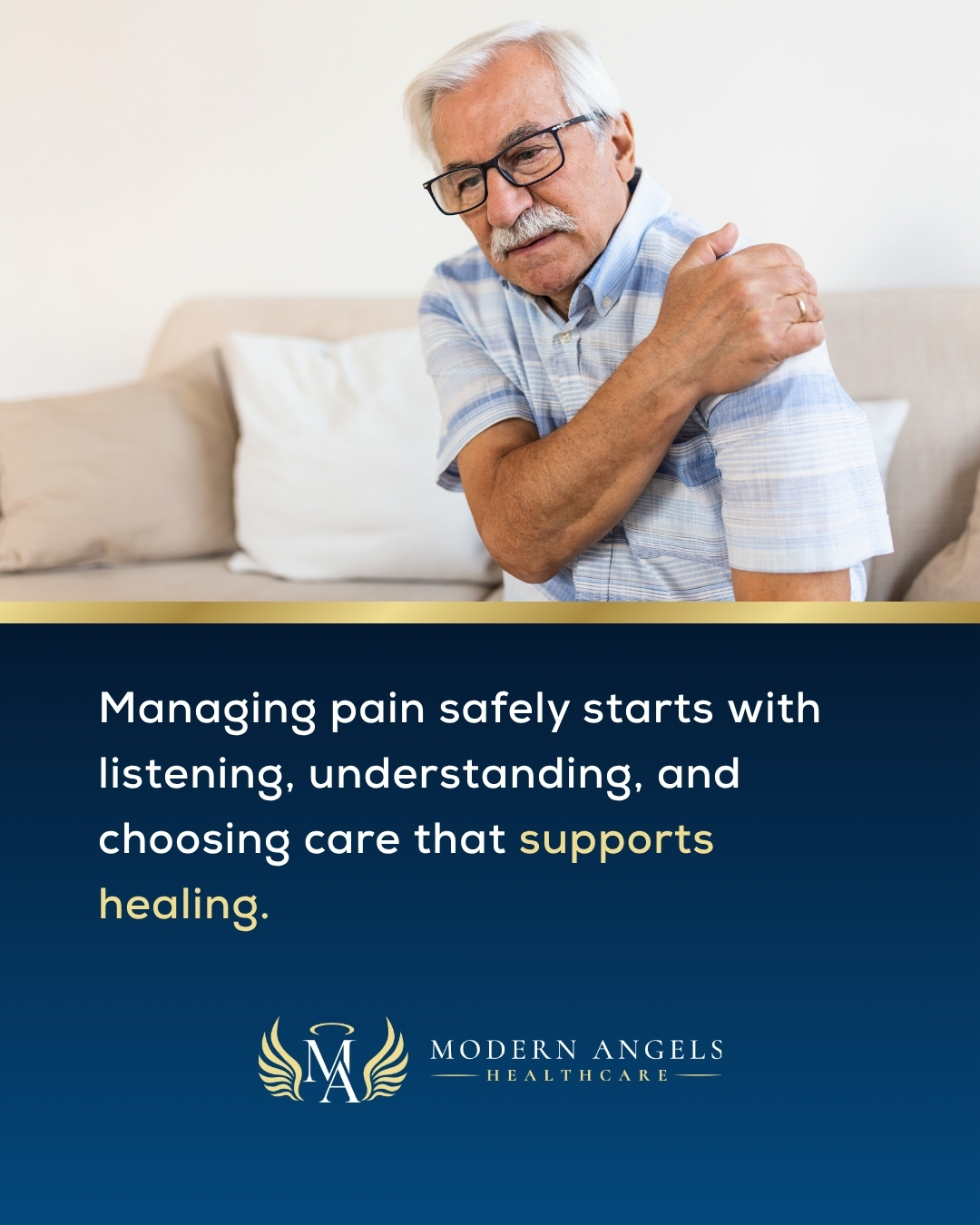
    Pain is one of the most common health concerns affecting people of all ages. Whether it occurs after an injury, surgery, illness, or as part of a chronic condition, pain can have a significant impact on daily life. It can affect sleep, mobility, emotional wellbeing, and the ability to enjoy everyday activities. Understanding safe and effective pain management is an important step toward improving comfort and maintaining independence.

    Pain is generally classified as acute or chronic. Acute pain usually develops suddenly and is often linked to a specific injury, illness, or medical procedure. It typically improves as the body heals. Chronic pain lasts longer and may continue for months or even years, requiring ongoing attention and support.

    The goal of pain management is not only to reduce discomfort but also to improve function and quality of life. Effective pain management strategies often involve a combination of approaches tailored to the individual.

    Regular physical activity can help strengthen muscles, improve flexibility, and reduce stiffness. Gentle exercises such as walking, stretching, or other approved activities can support mobility and overall health. Physical therapy may also help people recover movement and manage pain more effectively.

    Lifestyle habits play an important role. Getting enough sleep, staying hydrated, eating nutritious foods, and managing stress can all contribute to better pain control. Heat and cold therapy may also provide temporary relief for certain types of pain and inflammation.

    Medication can sometimes be part of a pain management plan. However, all medications should be taken exactly as directed by a qualified healthcare professional. Regular communication with healthcare providers is essential to ensure that treatment remains safe, effective, and appropriate for changing needs.

    Pain can also affect emotional wellbeing. Feelings of frustration, anxiety, or isolation are common among people living with persistent pain. Having a strong support system, staying socially connected, and seeking guidance when needed can help improve overall wellbeing.

    For seniors and individuals managing health conditions, additional support may be beneficial. Assistance with daily activities, mobility, medication reminders, and personal care can reduce physical strain while helping maintain independence at home.

    At Modern Angels Healthcare, we recognize that every individual’s experience with pain is unique. Compassionate care and personalized support can make a meaningful difference in helping people feel more comfortable and confident in their daily lives. Our caregivers, nurses, companions, and support professionals are dedicated to promoting safety, dignity, and wellbeing.

    Safe and effective pain management starts with informed decisions, healthy habits, and access to appropriate support. By taking a proactive approach and working closely with healthcare professionals, individuals can improve comfort, enhance quality of life, and continue doing the activities that matter most.

  • Hearing and Vision Care Monitoring: Supporting Healthy Aging and Independence

    Hearing and Vision Care Monitoring: Supporting Healthy Aging and Independence

    Modern Angels Healthcare
    Join Our Newsletter

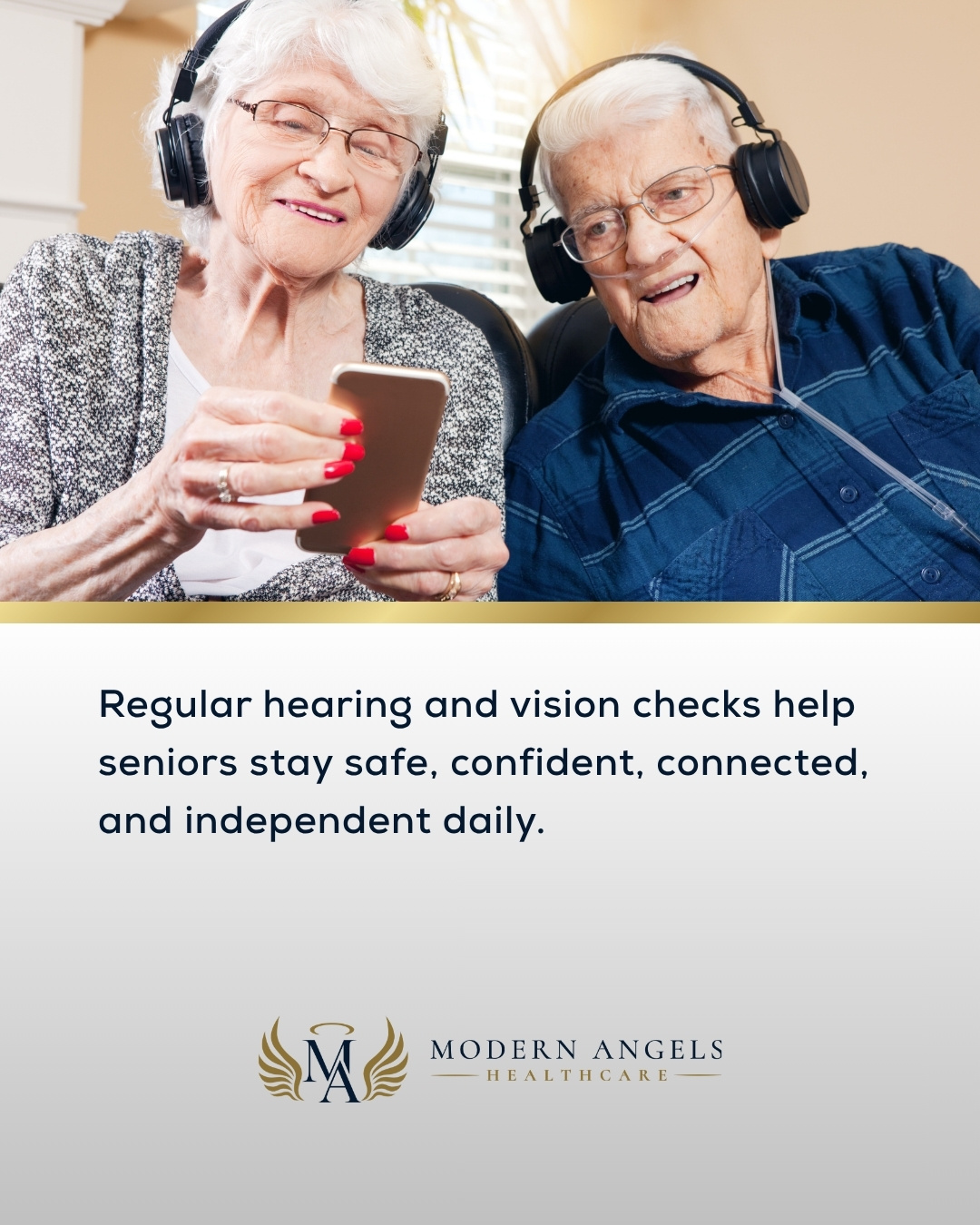
    Hearing and vision are essential parts of everyday life. They help us communicate, move safely, enjoy meaningful experiences, and remain connected with loved ones. As people age, changes in hearing and vision become more common. Because these changes often develop gradually, they may not always be noticed right away.

    This is why hearing and vision care monitoring is such an important part of healthy aging.

    Regular monitoring helps identify potential concerns early. Research shows that age related hearing and vision impairments are common among older adults, and early detection can support timely intervention and better quality of life. Regular assessments may help individuals maintain independence, improve communication, and reduce safety risks.

    Vision monitoring can help identify conditions such as cataracts, glaucoma, age related macular degeneration, and diabetic eye disease. Some of these conditions may not show obvious symptoms in the early stages. Routine eye examinations allow healthcare professionals to detect changes and recommend appropriate treatment or management strategies when necessary.

    Hearing care is equally important. Hearing loss can affect conversations, social participation, and overall emotional well being. When hearing changes go unaddressed, individuals may become withdrawn from family gatherings and social activities. Regular hearing assessments can help identify concerns early and support access to interventions that improve communication and daily functioning.

    Hearing and vision care monitoring also contributes to home safety. Reduced hearing or vision can increase the risk of falls and accidents. Difficulty hearing alarms, doorbells, or important conversations may create additional challenges. Likewise, changes in vision can affect mobility, reading medication labels, and navigating familiar environments.

    Families play an important role in recognizing changes that may indicate a hearing or vision concern. Signs can include asking others to repeat themselves frequently, increasing television volume, difficulty recognizing faces, trouble reading, or hesitating when walking in unfamiliar spaces. Paying attention to these changes can encourage timely assessments and support.

    Simple lifestyle habits can also help support long term hearing and vision health. Regular medical checkups, managing chronic conditions, wearing appropriate eyewear, protecting ears from excessive noise, staying active, and maintaining a balanced diet all contribute to overall wellness.

    At Modern Angels Healthcare, we understand that aging comes with unique challenges. Our compassionate caregivers, nurses, companions, and support professionals help seniors maintain comfort, confidence, and independence in their daily lives. While professional assessments should be completed by qualified hearing and eye care providers, ongoing support at home can make a meaningful difference in helping seniors manage daily routines safely and comfortably.

    Healthy aging is not only about addressing problems when they arise. It is about taking proactive steps to support well being every day. Hearing and vision care monitoring empowers seniors and their families to stay informed, prepared, and confident.

    By prioritizing regular hearing and vision assessments, seniors can continue enjoying meaningful connections, greater safety, and a higher quality of life.

  • Understanding and Preventing Malnutrition

    Understanding and Preventing Malnutrition

    Modern Angels Healthcare
    Join Our Newsletter

    Good nutrition is one of the foundations of good health. It provides the body with essential nutrients needed for energy, muscle strength, immune function, and recovery. However, many older adults and people living with chronic health conditions are at risk of malnutrition, a condition that occurs when the body does not receive the nutrients it needs to function properly.

    Understanding and preventing malnutrition is important because it can affect nearly every aspect of health. When left unaddressed, malnutrition may contribute to weight loss, fatigue, weakness, reduced mobility, slower wound healing, and a greater risk of illness. Early awareness can help families and caregivers take steps to support better nutrition and overall wellbeing.

    There are many reasons why malnutrition may develop. Some people experience a reduced appetite due to illness, medication side effects, depression, or changes associated with aging. Others may have difficulty chewing or swallowing food, making it harder to maintain a balanced diet. Limited mobility, social isolation, and challenges with grocery shopping or meal preparation can also increase nutritional risk.

    Recognizing the warning signs is an important first step. Common symptoms include unintended weight loss, loss of muscle strength, tiredness, poor concentration, decreased appetite, and slower recovery from illness or injury. Family members and caregivers should pay attention to changes in eating habits, food intake, and overall physical condition.

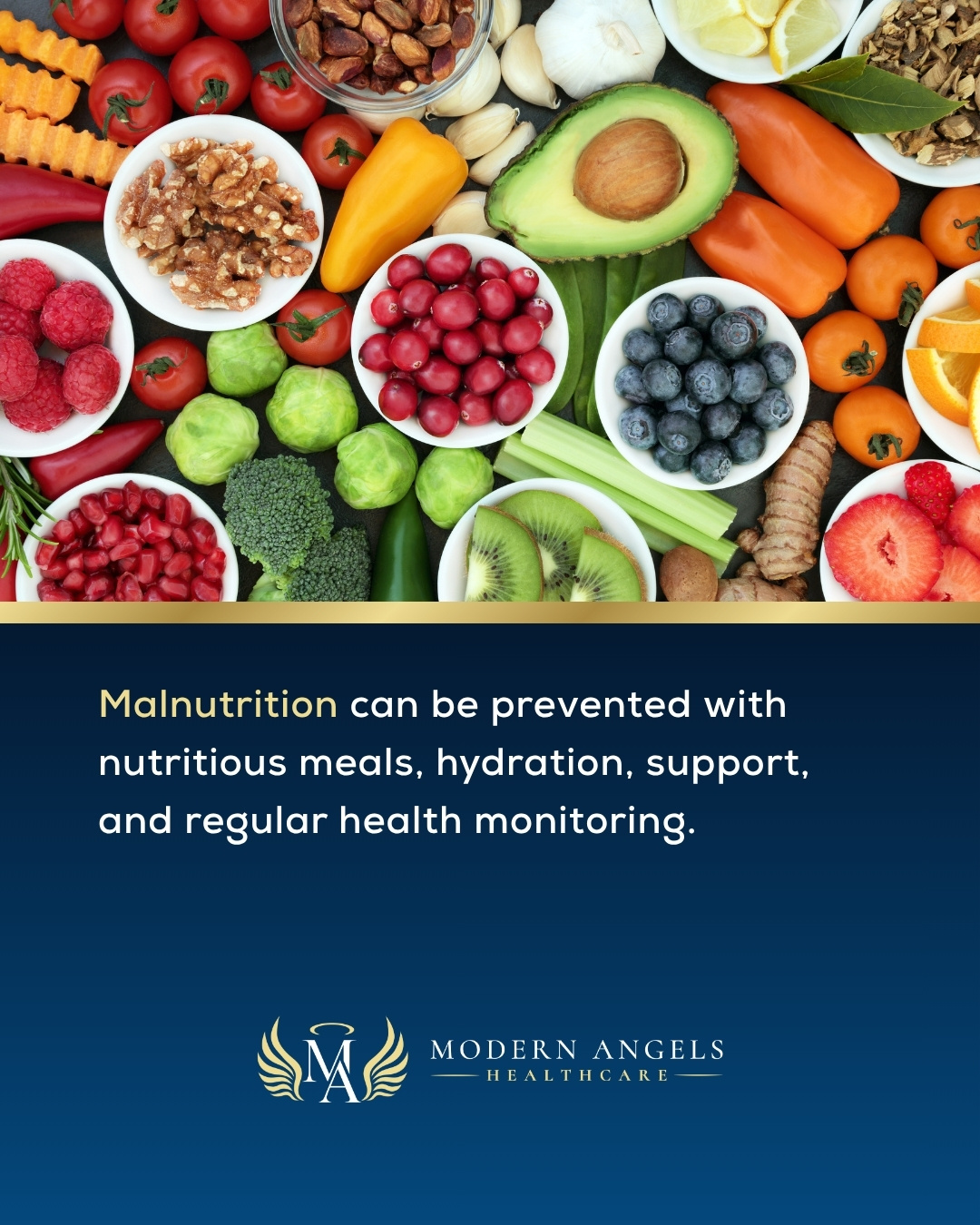
    Preventing malnutrition often begins with simple daily habits. Eating regular, balanced meals that include protein, fruits, vegetables, whole grains, and healthy fats can help support nutritional needs. Protein is especially important for maintaining muscle mass and strength. Drinking enough fluids throughout the day also helps support overall health and prevents dehydration.

    Creating an enjoyable mealtime experience can encourage better eating habits. Sharing meals with family or friends, offering favourite healthy foods, and providing a comfortable eating environment may help improve food intake. For individuals who struggle with large meals, smaller meals and nutritious snacks throughout the day can be beneficial.

    Regular health assessments are also important. Healthcare professionals can identify nutritional concerns early and recommend strategies to address them before complications develop. Monitoring weight changes and appetite can help detect potential issues sooner.

    Caregivers often play a valuable role in supporting nutrition. Assistance with meal planning, grocery shopping, food preparation, and encouragement during mealtimes can make healthy eating easier and more consistent. Compassionate support helps individuals maintain dignity while promoting independence whenever possible.

    At Modern Angels Healthcare, we recognize that nutrition is closely connected to overall quality of life. Our caregivers, nurses, companions, and support staff work alongside individuals and families to help create routines that encourage healthy living and wellbeing. Whether someone needs assistance with daily activities or extra support at home, having caring professionals available can provide peace of mind.

    Preventing malnutrition is not about perfection. It is about making small, sustainable choices that support health every day. With awareness, proper nutrition, and compassionate support, individuals can maintain strength, independence, and a better quality of life.

  • Improving Sleep Quality for Residents: Why Better Sleep Matters for Seniors

    Improving Sleep Quality for Residents: Why Better Sleep Matters for Seniors

    Modern Angels Healthcare
    Join Our Newsletter

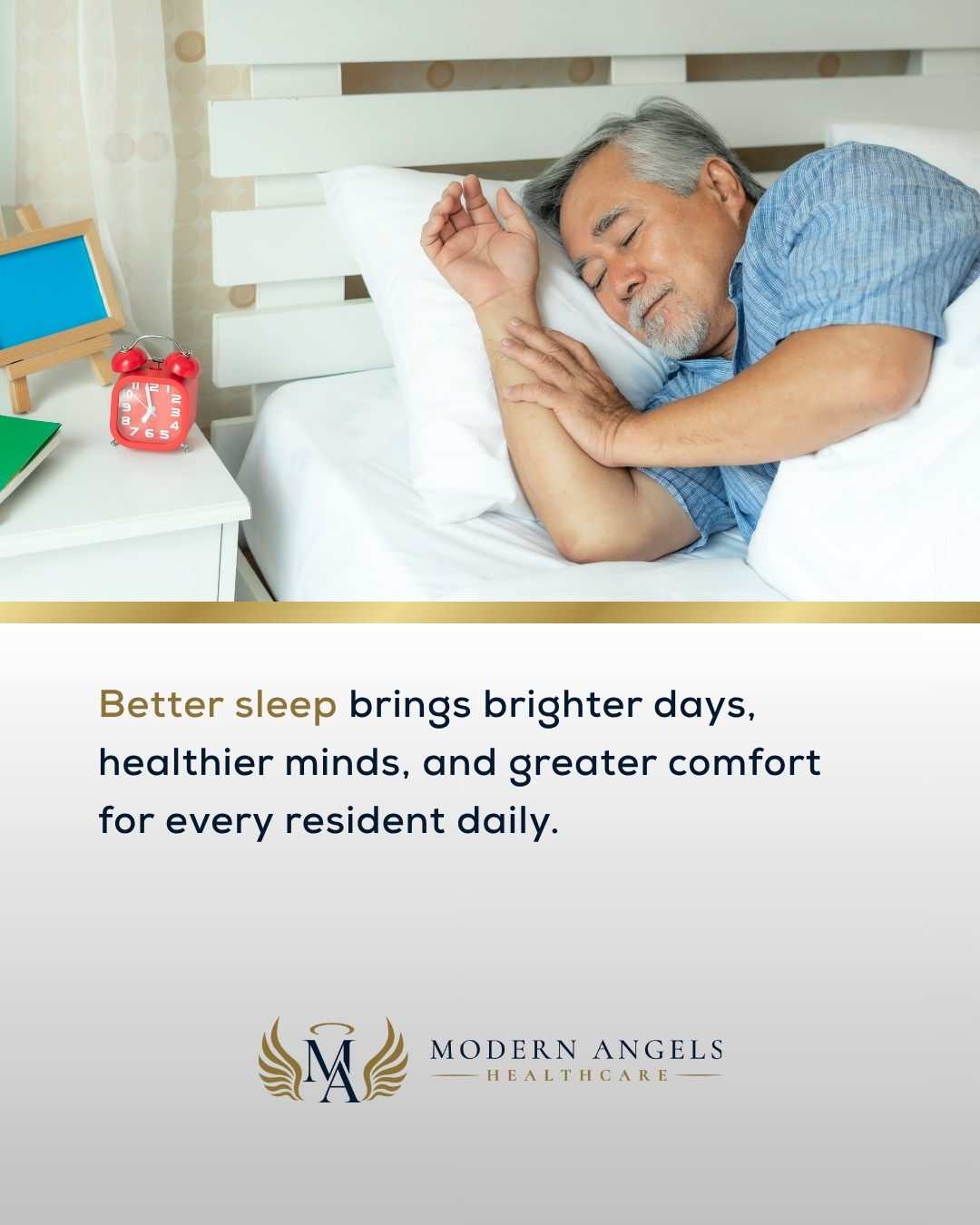
    Quality sleep is essential at every stage of life, but it becomes especially important as people age. For seniors, good sleep supports physical health, emotional well-being, memory, and overall quality of life. When residents experience restful sleep, they are often more energetic, engaged, and comfortable throughout the day.

    Many older adults experience changes in their sleep patterns. They may wake more frequently during the night, fall asleep earlier, or find it difficult to stay asleep. While these changes can be common, poor sleep should never be ignored because it can affect both physical and mental health.

    One of the most effective ways to improve sleep quality is to establish a consistent bedtime routine. Going to bed and waking up at the same time each day helps regulate the body’s natural sleep cycle. Calming activities before bedtime, such as reading, listening to relaxing music, or practicing gentle relaxation techniques, can help prepare the mind and body for rest.

    The sleep environment also plays an important role. A quiet, comfortable room can encourage deeper sleep. Limiting noise, controlling light levels, and maintaining a comfortable room temperature can help residents feel more relaxed and secure. Small adjustments to bedding and room comfort may also contribute to improved sleep quality.

    Physical activity during the day can make a significant difference. Seniors who participate in gentle exercise, social activities, or regular movement often experience better sleep at night. Walking, stretching, and engaging in meaningful daily activities can help the body maintain a healthy sleep routine.

    Nutrition can also influence sleep quality. Maintaining regular meal times, avoiding heavy meals close to bedtime, and limiting stimulants such as caffeine later in the day may contribute to better rest. Proper hydration is important, although excessive fluid intake late in the evening may increase nighttime awakenings.

    Emotional well-being should not be overlooked. Feelings of loneliness, anxiety, or stress can affect sleep quality. Regular social interaction, companionship, and emotional support can help residents feel more connected and relaxed. Creating opportunities for conversation and meaningful engagement can positively impact both mood and sleep.

    Families also play a valuable role in supporting healthy sleep habits. Encouraging routines, promoting daytime engagement, and ensuring a comfortable sleep environment can contribute to long-term improvements. Even small changes can create meaningful benefits over time.

    At Modern Angels Healthcare, we recognize that quality sleep is an important part of healthy aging. Our compassionate team of registered nurses, registered practical nurses, personal support workers, companions, and other caregivers focuses on supporting comfort, dignity, and well-being in daily life. Through thoughtful care and meaningful support, we help seniors maintain routines that promote healthier living and greater peace of mind.

    Better sleep does more than improve nighttime rest. It supports healthier days, brighter moods, greater independence, and improved quality of life for seniors. When residents sleep well, they are often better able to enjoy the moments that matter most.

  • Keeping the Brain Active: Simple Ways to Support Cognitive Health as We Age

    Keeping the Brain Active: Simple Ways to Support Cognitive Health as We Age

    Modern Angels Healthcare
    Join Our Newsletter

    Keeping the brain active is an important part of healthy ageing. While some changes in memory and thinking naturally occur over time, research shows that many lifestyle habits can help support cognitive health and overall wellbeing. The encouraging news is that small daily actions can make a meaningful difference.
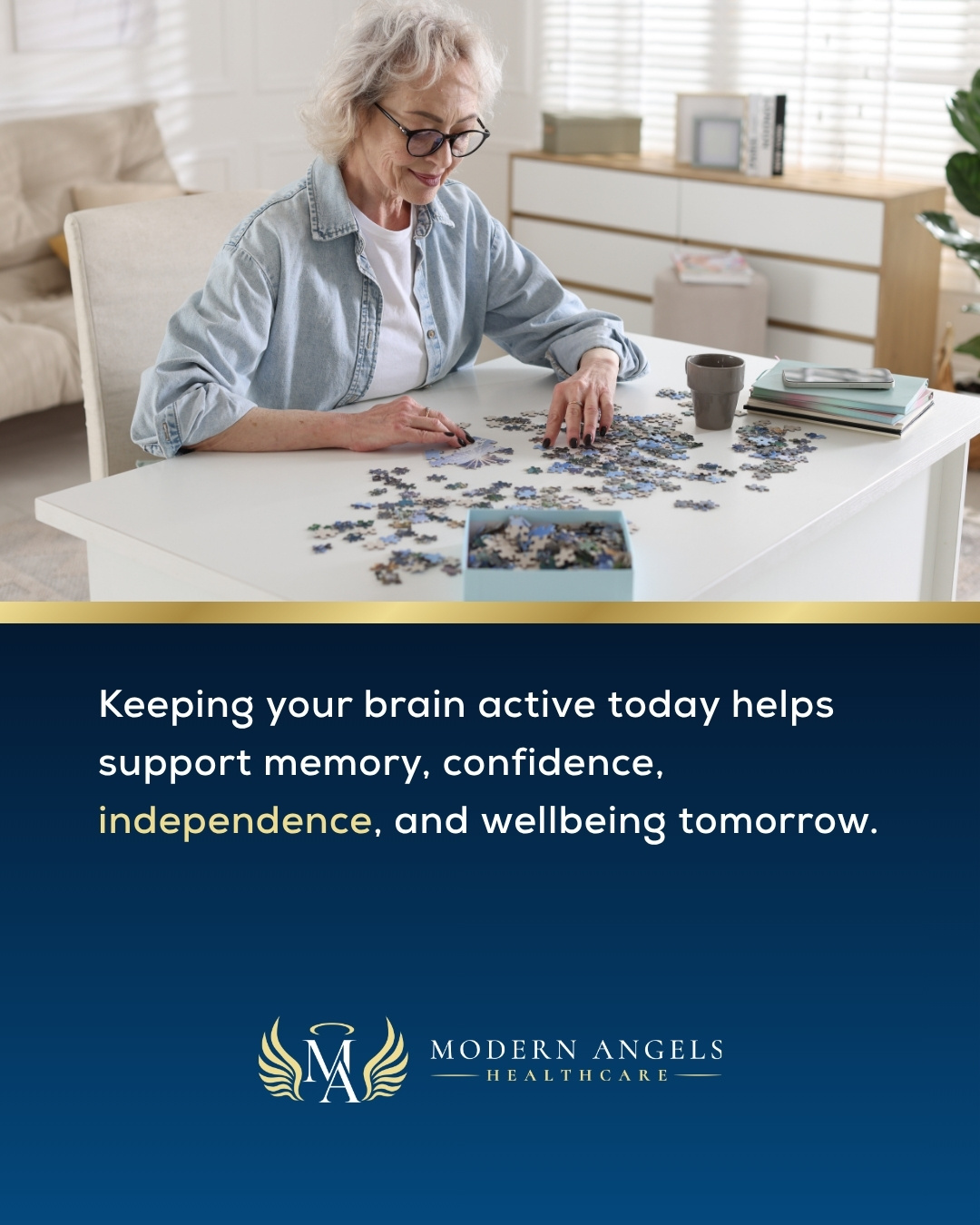
    One of the best ways to support brain health is through lifelong learning. The brain responds positively to new experiences and challenges. Reading books, solving puzzles, learning a language, taking up a new hobby, or exploring creative activities can help keep the mind engaged. These activities encourage mental stimulation and provide opportunities to build confidence and enjoyment.

    Social connections are equally important. Spending time with family members, friends, neighbours, or community groups helps keep the brain active through conversation and interaction. Social engagement can also support emotional wellbeing and reduce feelings of loneliness, which may affect overall health. Even a simple phone call or shared activity can create meaningful mental stimulation.

    Physical activity also plays a significant role in cognitive wellness. Regular movement helps improve blood flow throughout the body, including the brain. Activities such as walking, stretching, swimming, gardening, or gentle exercise can support both physical and mental health. The goal is not perfection but consistency. Finding enjoyable ways to stay active can make healthy habits easier to maintain.

    Nutrition and sleep are often overlooked but remain essential for brain health. A balanced diet that includes fruits, vegetables, whole grains, healthy fats, and adequate hydration helps support overall wellness. Quality sleep allows the brain to rest and perform important functions that contribute to memory and learning. Creating a regular sleep schedule can be a valuable step toward maintaining cognitive health.

    Meaningful daily routines can also help support brain function. Planning enjoyable activities, participating in hobbies, volunteering, listening to music, or spending time outdoors can provide purpose and stimulation. These routines help create structure while encouraging mental engagement throughout the day.

    Families often notice that loved ones benefit from additional support as they age. Compassionate companionship can provide opportunities for conversation, activities, and social interaction that help keep the mind engaged. Having someone available to encourage participation in meaningful activities can make a positive difference in quality of life.

    At Modern Angels Healthcare, we understand that healthy ageing involves more than physical care alone. Emotional connection, social engagement, and maintaining everyday independence are important parts of wellbeing. Our caregivers, nurses, companions, and support professionals work closely with individuals and families to encourage meaningful daily experiences that promote comfort, dignity, and engagement.

    Keeping the brain active does not require dramatic changes. Small steps taken consistently can help support cognitive health and enrich daily life. Whether it is learning something new, enjoying time with others, staying physically active, or maintaining healthy routines, every positive action contributes to overall wellbeing.

    If you would like to learn how compassionate support can help your loved one stay engaged and independent, contact Modern Angels Healthcare.

  • Supporting Mobility and Exercise Programs for Seniors

    Supporting Mobility and Exercise Programs for Seniors

    Modern Angels Healthcare
    Join Our Newsletter

    Mobility plays a crucial role in maintaining health, independence, and quality of life for seniors. As people age, it is natural to experience changes in strength, flexibility, balance, and endurance. However, regular physical activity and mobility exercises can help older adults remain active, confident, and engaged in daily life.

    Supporting mobility and exercise programs is about much more than fitness. It is about helping seniors continue doing the things they enjoy, whether that means walking in the neighbourhood, spending time with family, gardening, or participating in social activities.

    Research consistently shows that regular physical activity can improve strength, balance, flexibility, and coordination. These improvements can lower the risk of falls, which are a common concern among older adults. Exercise can also support healthy bones and muscles while helping seniors maintain their independence for longer.

    Mobility programs do not need to be complicated. Many seniors benefit from simple activities such as walking, stretching, gentle strength exercises, chair exercises, and balance training. These activities can often be adapted to suit different mobility levels and health conditions.

    Physical activity also provides important emotional and mental health benefits. Regular movement may help reduce feelings of stress and anxiety while supporting better sleep and improved mood. Participating in exercise programs can also create valuable social opportunities that reduce feelings of isolation and encourage meaningful connections.

    One of the most important aspects of any mobility program is safety. Exercises should be appropriate for the individual’s abilities, health status, and comfort level. Consulting healthcare professionals when beginning a new exercise routine is always recommended, especially for seniors with existing health conditions.

    Caregivers and family members play an important role in encouraging mobility. Simple actions such as taking a walk together, providing positive encouragement, and celebrating small achievements can make a significant difference. Building movement into daily routines often helps seniors remain consistent and motivated.

    It is equally important to focus on progress rather than perfection. Every movement counts. Even a few minutes of daily activity can contribute to improved strength, balance, and confidence over time. Small, sustainable habits often lead to the best long term results.

    At Modern Angels Healthcare, we understand the importance of supporting healthy ageing through compassionate care. Whether assisting with daily activities, encouraging safe movement, or helping individuals maintain routines that promote wellbeing, our caregivers are committed to supporting seniors with dignity and respect.

    Healthy mobility helps seniors stay connected to their communities, maintain independence, and enjoy a better quality of life. By supporting exercise and movement programs, families can help their loved ones remain stronger, safer, and more confident every day.

  • Nutrition Needs for Older Adults: Supporting Healthy Aging with Balanced Care

    Nutrition Needs for Older Adults: Supporting Healthy Aging with Balanced Care

    Modern Angels Healthcare
    Join Our Newsletter

    As we age, our bodies go through natural changes that affect how we eat, digest, and absorb nutrients. While calorie needs may decrease, the need for essential nutrients remains the same or even increases. This makes nutrition one of the most important pillars of healthy aging.

    For older adults, maintaining a balanced diet is not only about staying healthy. It is about preserving independence, strength, and quality of life.

    Protein plays a critical role in senior health. With age, muscle mass naturally declines, making it essential to include protein in daily meals. Adequate protein intake supports muscle strength, helps prevent falls, and aids in recovery after illness or injury.

    Bone health is another major concern. Calcium and vitamin D are key nutrients that help maintain strong bones and reduce the risk of fractures. After the age of fifty, the body requires higher amounts of both nutrients, often through a combination of diet and supplements.

    Digestive health also deserves attention. Fibre supports healthy digestion and helps prevent constipation, which is common among older adults. Drinking enough fluids is equally important. As people age, the sense of thirst weakens, increasing the risk of dehydration.

    Despite knowing what is needed, many seniors face challenges in meeting these nutritional requirements. Reduced appetite, difficulty chewing, limited mobility, and medication side effects can all make healthy eating more difficult.

    This is where thoughtful, compassionate support becomes essential. Ensuring that older adults have access to balanced meals and proper hydration can significantly improve their overall well being.

    Simple steps like preparing nutritious meals, encouraging regular eating, and creating a calm, enjoyable dining environment can make a meaningful difference. For families, providing this level of care consistently can feel overwhelming.

    With the right support system in place, seniors can continue to live comfortably and confidently at home, knowing their health and nutrition are gently cared for.

  • Preventing Polypharmacy Issues in Older Adults with Compassion and Confidence

    Preventing Polypharmacy Issues in Older Adults with Compassion and Confidence

    Modern Angels Healthcare
    Join Our Newsletter

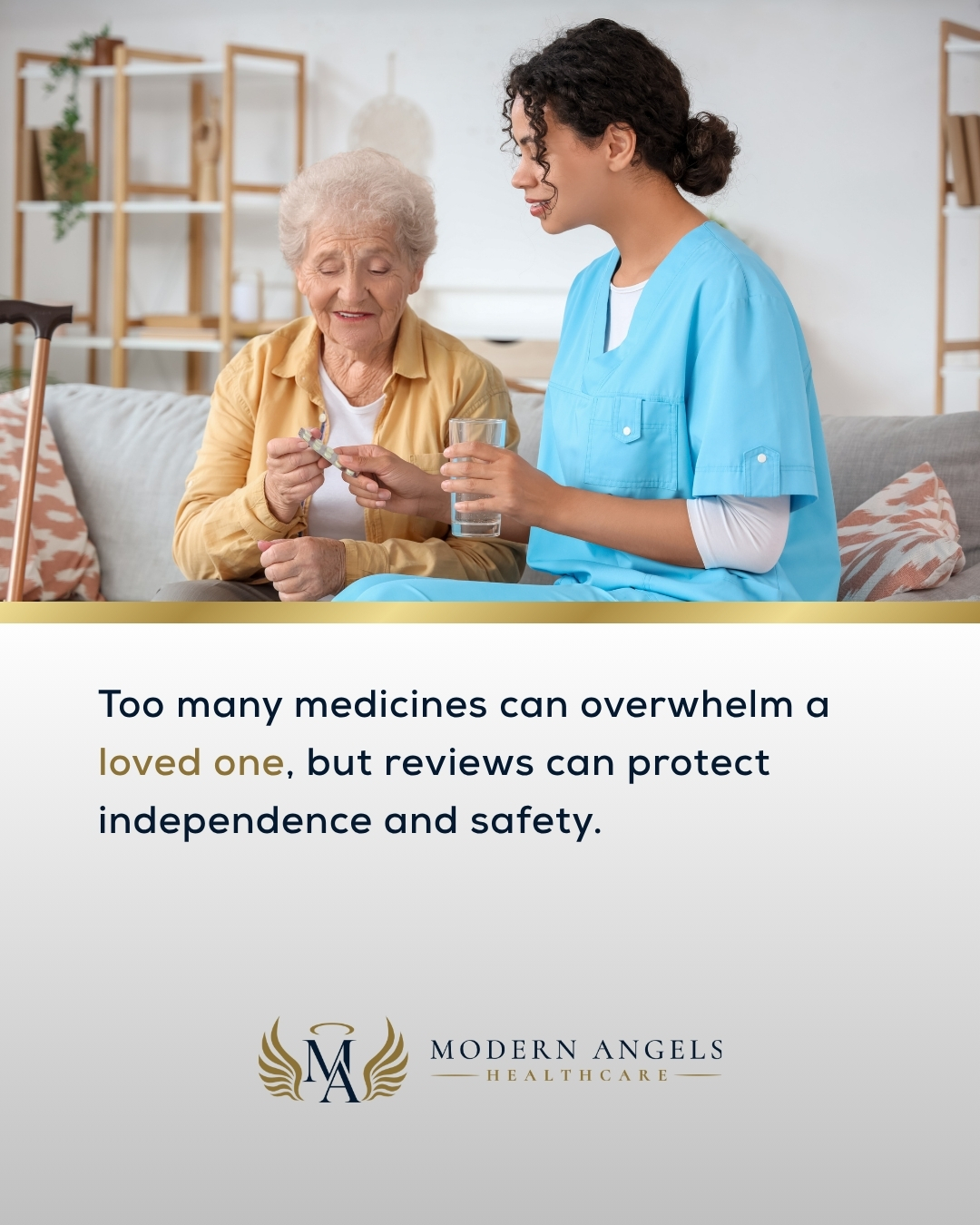
    Preventing polypharmacy issues is an important part of medication safety for seniors. Many older adults take several medicines to manage ongoing health conditions. Sometimes this is appropriate and necessary. Still, when prescriptions, over the counter products, vitamins, and herbal supplements start to add up, the risk of medication related problems can rise. Families may notice dizziness, sleepiness, confusion, poor appetite, or a change in balance long before they realize medicines could be part of the reason.

    Polypharmacy simply means taking multiple medicines at the same time. The concern is not only the number of medicines, but also whether they are still needed, whether they work well together, and whether they still match the person’s current health goals. As people age, the body may process medicines differently. This can make older adults more sensitive to side effects and interactions, especially when several medicines are involved.

    A strong first step in preventing polypharmacy issues is keeping one complete medication list. That list should include every prescription, over the counter medicine, vitamin, supplement, and as needed product. It should also note how often each item is taken and why. Bringing this list to every medical appointment makes it easier for healthcare professionals to spot possible concerns and review whether each medicine still has a clear purpose.

    Regular medication reviews matter because changes can happen quietly. A senior may see different doctors, leave the hospital with new prescriptions, or begin a supplement that seems harmless but affects another medicine. Families should feel encouraged to ask simple but important questions. What is this medicine for. Is it still necessary. Could it cause dizziness or confusion. Should it be taken with food. What should we do if a dose is missed. These honest conversations can help prevent bigger problems later.
    Another helpful step is using one pharmacy whenever possible. When prescriptions are filled in one place, the pharmacist is better able to notice possible interactions or duplicated therapies. It is also important never to stop a medicine suddenly without medical guidance. Some medicines need to be reduced slowly and carefully. What feels like a small change can create serious consequences if it is done without professional support.

    Medication safety is not only clinical. It is emotional too. Families often carry quiet stress as they try to protect someone they love. The daily routine of sorting bottles, remembering times, and watching for side effects can become exhausting. That is why gentle support matters. A calm reminder, an observant eye, and a trusted presence can make home life feel steadier and safer.

    At Modern Angels Healthcare, we understand that caring for seniors is about preserving dignity, comfort, and confidence. When families need an extra layer of reassurance, our caregivers can thoughtfully support medication routines, observe for changes, and help loved ones feel more secure in daily life. Preventing polypharmacy issues is not only about reducing risk. It is about helping older adults live with greater clarity, comfort, and peace.

  • Fall Prevention and Home Safety – Protecting Independence with Compassion

    Fall Prevention and Home Safety – Protecting Independence with Compassion

    Modern Angels Healthcare
    Join Our Newsletter

    A safe home is more than four walls. For seniors, it is the foundation of independence, confidence, and dignity. Yet falls remain one of the most serious risks facing older adults, often leading to injury, loss of mobility, and emotional distress. The encouraging truth is that many falls are preventable with proper home safety planning and support.

    Most falls happen at home during everyday activities such as walking, bathing, or reaching for household items. Common hazards include poor lighting, cluttered walkways, loose rugs, uneven steps, and lack of supportive handholds. While these risks may seem small, they can have life changing consequences if left unaddressed.

    Improving lighting is one of the simplest and most effective steps. Bright, even lighting helps seniors clearly see obstacles and changes in floor height. Night lights in hallways and bathrooms reduce the risk of falls during nighttime movement. Clear vision supports confident movement.

    Home layout also plays an important role. Walkways should be kept free of clutter, cords, and furniture that restrict movement. Rugs should be secured or removed altogether. Frequently used items should be placed within easy reach to limit unnecessary stretching or climbing.

    Bathrooms and stairways deserve special attention. Grab bars near toilets and in showers, along with sturdy handrails on stairs, provide vital balance support. These features offer reassurance and reduce fear during movement. They do not signal weakness. They represent smart prevention.

    Footwear is another often overlooked factor. Shoes worn indoors should fit well, offer good support, and have non slip soles. Soft slippers without support increase fall risk and should be avoided.

    Beyond physical changes, regular safety check ins are essential. Subtle changes in balance, strength, or vision may slowly increase risk over time. Gentle assessments help identify concerns early and allow families to respond proactively, rather than react after an injury occurs.

    This is where compassionate support can make a meaningful difference. At Modern Angels Healthcare, our caregivers understand that fall prevention is about preserving quality of life. They support seniors at home with quiet attentiveness, respect, and professionalism, noticing small changes and helping maintain safer environments without disrupting routines.

    Fall prevention is not about limiting freedom. It is about empowering seniors to live fully and safely in the place they love most. A thoughtful approach to home safety creates lasting peace of mind for seniors and their families alike.