


Good nutrition is one of the foundations of good health. It provides the body with essential nutrients needed for energy, muscle strength, immune function, and recovery. However, many older adults and people living with chronic health conditions are at risk of malnutrition, a condition that occurs when the body does not receive the nutrients it needs to function properly.
Understanding and preventing malnutrition is important because it can affect nearly every aspect of health. When left unaddressed, malnutrition may contribute to weight loss, fatigue, weakness, reduced mobility, slower wound healing, and a greater risk of illness. Early awareness can help families and caregivers take steps to support better nutrition and overall wellbeing.
There are many reasons why malnutrition may develop. Some people experience a reduced appetite due to illness, medication side effects, depression, or changes associated with aging. Others may have difficulty chewing or swallowing food, making it harder to maintain a balanced diet. Limited mobility, social isolation, and challenges with grocery shopping or meal preparation can also increase nutritional risk.
Recognizing the warning signs is an important first step. Common symptoms include unintended weight loss, loss of muscle strength, tiredness, poor concentration, decreased appetite, and slower recovery from illness or injury. Family members and caregivers should pay attention to changes in eating habits, food intake, and overall physical condition.
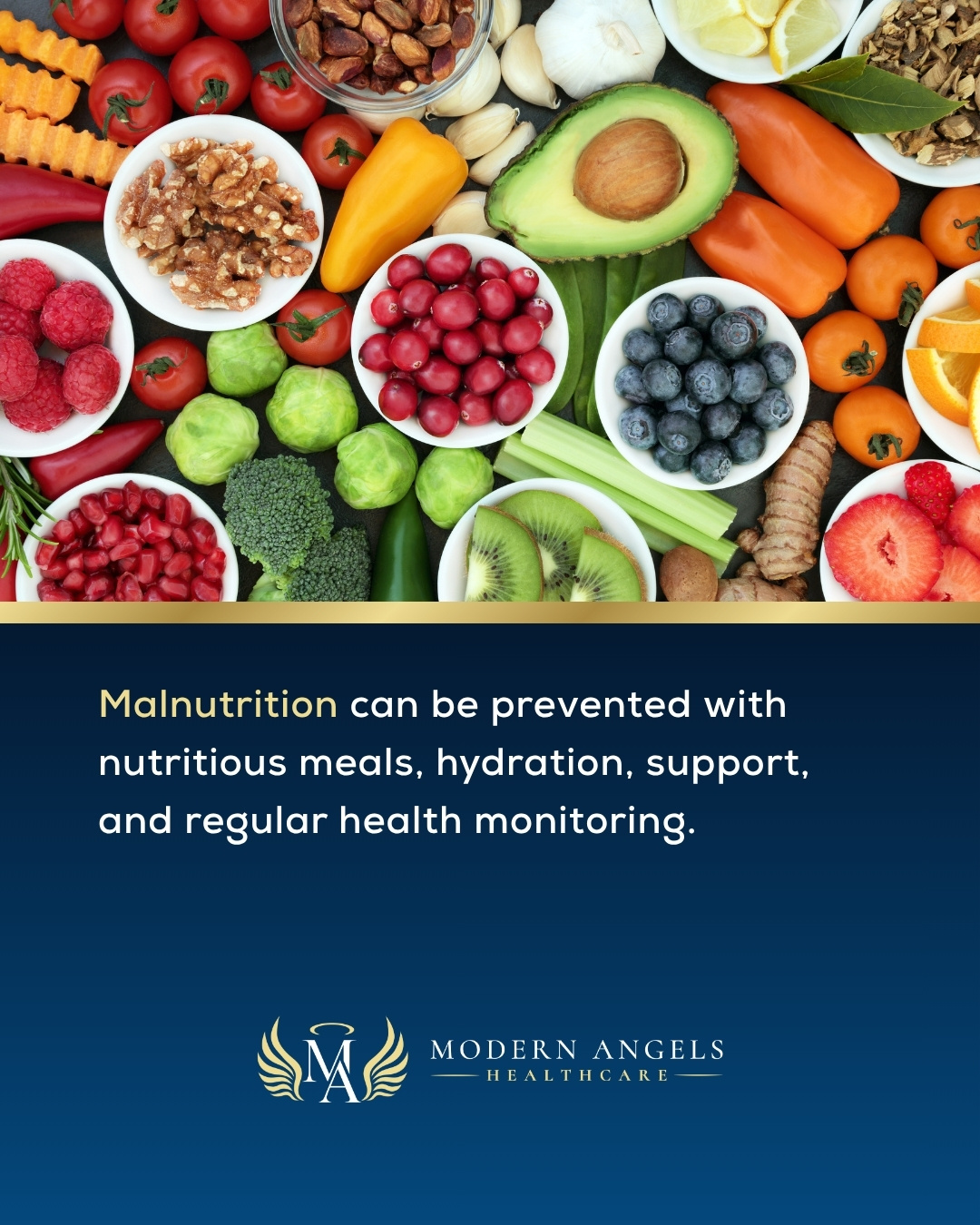
Preventing malnutrition often begins with simple daily habits. Eating regular, balanced meals that include protein, fruits, vegetables, whole grains, and healthy fats can help support nutritional needs. Protein is especially important for maintaining muscle mass and strength. Drinking enough fluids throughout the day also helps support overall health and prevents dehydration.
Creating an enjoyable mealtime experience can encourage better eating habits. Sharing meals with family or friends, offering favourite healthy foods, and providing a comfortable eating environment may help improve food intake. For individuals who struggle with large meals, smaller meals and nutritious snacks throughout the day can be beneficial.
Regular health assessments are also important. Healthcare professionals can identify nutritional concerns early and recommend strategies to address them before complications develop. Monitoring weight changes and appetite can help detect potential issues sooner.
Caregivers often play a valuable role in supporting nutrition. Assistance with meal planning, grocery shopping, food preparation, and encouragement during mealtimes can make healthy eating easier and more consistent. Compassionate support helps individuals maintain dignity while promoting independence whenever possible.
At Modern Angels Healthcare, we recognize that nutrition is closely connected to overall quality of life. Our caregivers, nurses, companions, and support staff work alongside individuals and families to help create routines that encourage healthy living and wellbeing. Whether someone needs assistance with daily activities or extra support at home, having caring professionals available can provide peace of mind.
Preventing malnutrition is not about perfection. It is about making small, sustainable choices that support health every day. With awareness, proper nutrition, and compassionate support, individuals can maintain strength, independence, and a better quality of life.