
Category: Blog

  • Aging in Place: Benefits, Challenges, and What Families Need to Know

    Aging in Place: Benefits, Challenges, and What Families Need to Know

    Aging in place has become a preferred option for many seniors in Canada who wish to remain in the comfort and familiarity of their own homes. Surrounded by personal memories, familiar routines, and their local community, many older adults feel a deeper sense of identity when they stay in a space that reflects their lives. Studies in Canada show that seniors often associate home with dignity, stability, and emotional security. These positive feelings play an important role in overall wellbeing and quality of life.

    One of the greatest benefits of aging in place is independence. Seniors who continue to live at home maintain more control over their daily choices. They often stay more engaged with neighbours and remain connected to the social circles they have built over many years. These relationships can be powerful sources of comfort and help reduce feelings of loneliness.

    Despite the emotional and practical benefits, aging in place can also present challenges. Home environments may not always be safe or accessible for seniors facing mobility concerns or chronic health conditions. Without the right adjustments, risks like falls, isolation, or delayed access to care can increase. Many families find themselves stretched thin as they try to juggle caregiving responsibilities with work and personal commitments. These pressures can become overwhelming, especially when health needs evolve quickly.

    Planning ahead is one of the most effective ways to support a successful aging‑in‑place experience. This may include modifying the home with supportive features such as handrails, improved lighting, ramps, or accessible bathroom fixtures. It also includes thinking about day‑to‑day support. Personal care, medication reminders, meal preparation, housekeeping, and companionship can help seniors continue to live safely at home without feeling dependent or isolated.

    Professional caregiving plays an important role in bridging the gap between independence and safety. With gentle, personalised support, seniors can continue enjoying their everyday routines while receiving assistance that respects their autonomy. This is where organisations like Modern Angels Healthcare quietly lend a helping hand. Our caregivers provide compassionate, attentive care that adapts to changing needs, whether someone requires nursing support, personal care, or companionship. We understand that remaining at home is more than a preference; it is a meaningful part of identity and emotional wellbeing.

    Supporting a loved one who wishes to age in place is a journey, and no family should feel alone in managing it. With thoughtful planning, a safe home environment, and supportive care, seniors can continue living with dignity, comfort, and joy. If you are exploring options for your loved one, you can connect with us anytime.
  • Skilled Nursing Facilities vs Long‑Term Care: Understanding the Difference

    Skilled Nursing Facilities vs Long‑Term Care: Understanding the Difference

    When a loved one begins to need support, families often face two main care pathways: skilled nursing and long‑term care. Although the terms are sometimes used interchangeably, especially in everyday conversations, they serve very different purposes and understanding the distinction can bring clarity during an emotional time.

    Skilled nursing is focused on short‑term medical treatment and rehabilitation. It supports individuals recovering from illnesses, injuries or surgeries. Skilled nursing involves licensed professionals who provide services such as wound care, medication management, physical therapy and ongoing monitoring. These services are typically needed after a hospital stay and are designed to help individuals regain independence as safely and quickly as possible.

    Long‑term care, on the other hand, is intended for individuals who need continuous help with daily life. This may include bathing, dressing, eating or moving around. Long‑term care is not centred on complex medical procedures. Instead, it prioritises safety, routine and comfort, making it ideal for those living with chronic conditions, mobility challenges or cognitive decline.

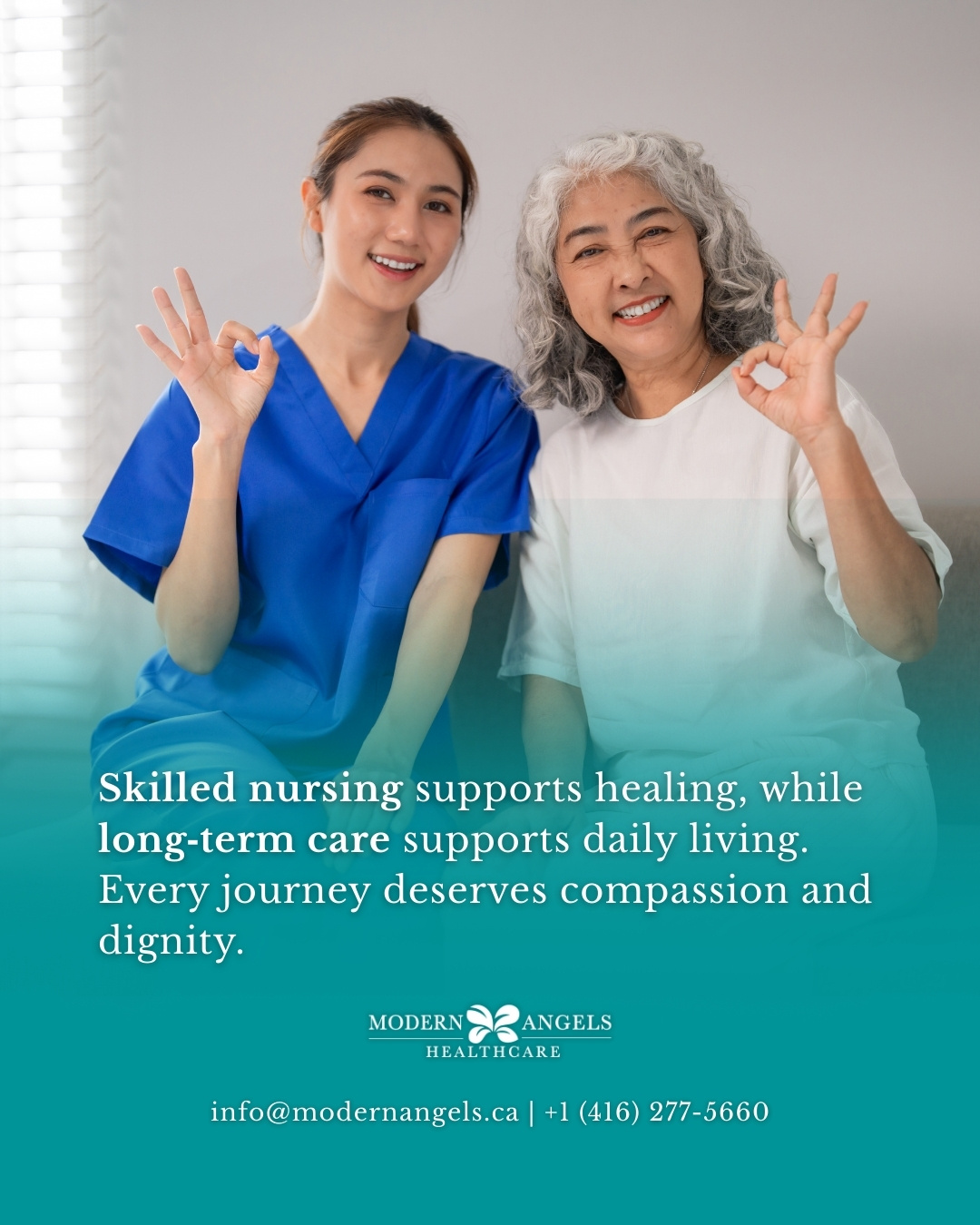
    The key difference lies in the type and intensity of care required. Skilled nursing provides highly specialised medical support. Long‑term care supports everyday living. Both forms of care are essential, and the decision usually depends on whether the individual’s needs are medical, functional or a blend of both.

    At Modern Angels Healthcare, we understand that choosing the right care path can feel overwhelming. Our caregivers – including nurses, personal support workers and companions – provide compassionate, consistent support for both short‑term recovery and ongoing daily care. We help families within the Greater Toronto Area navigate these decisions with empathy and practical guidance.

    Whether your loved one is healing or needs ongoing support, compassionate care can make all the difference.

  • Memory Care Communities and Dementia Support – Understanding the Journey and Finding the Right Help

    Memory Care Communities and Dementia Support – Understanding the Journey and Finding the Right Help

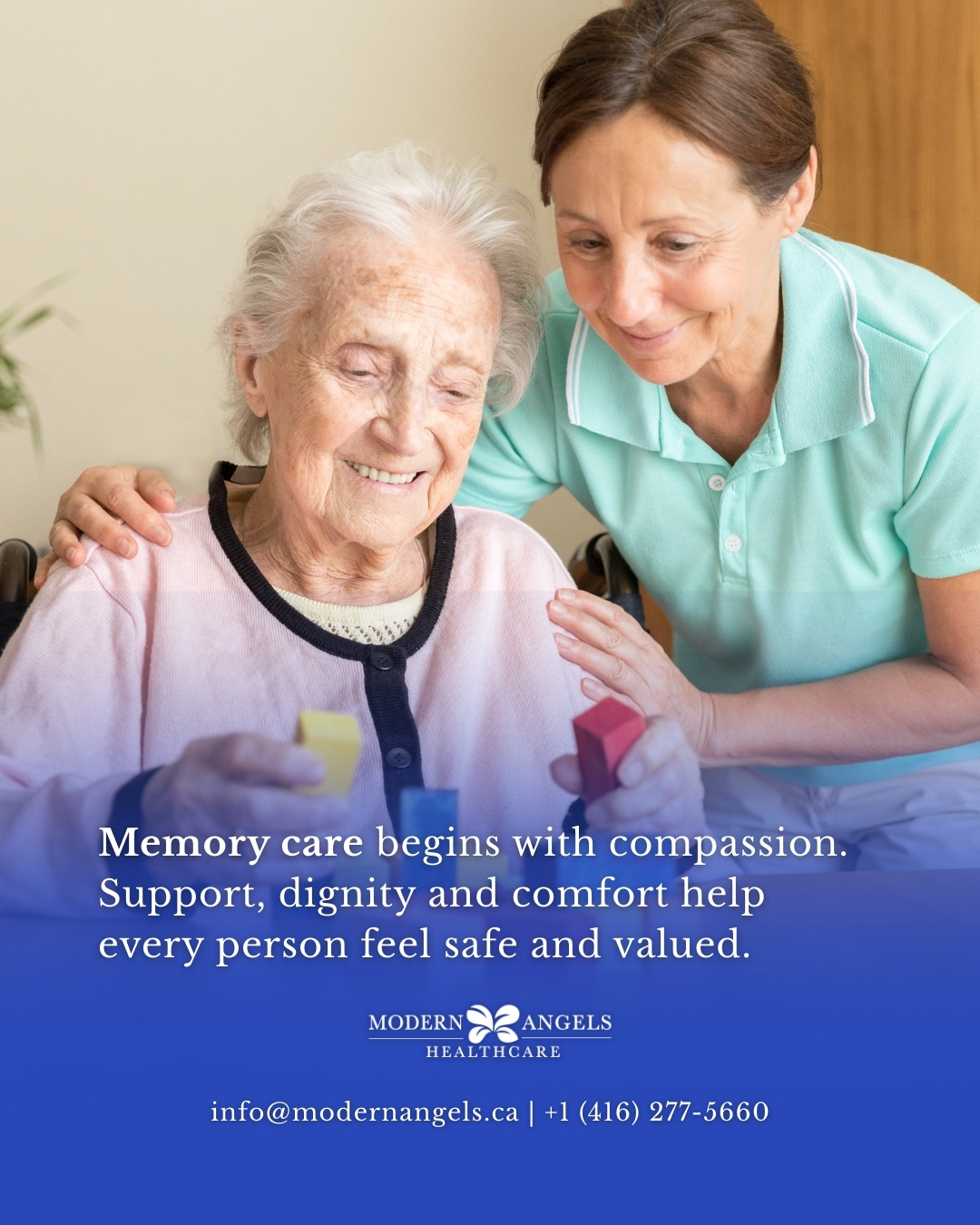
    Memory care plays a vital role in supporting people living with dementia, especially as their needs evolve over time. Dementia is not one single condition. It is a group of symptoms that affect memory, reasoning, behaviour and the ability to complete daily tasks. In Canada, many seniors with dementia remain at home, and families often take on most of the caregiving responsibilities. This can be deeply rewarding, yet emotionally and physically demanding. Understanding the purpose of memory care can help families make informed decisions that improve quality of life.

    Memory care communities and in‑home support services are designed to create safe, structured environments that reduce stress and confusion. People living with dementia often feel more secure when routines are predictable and surroundings are familiar. Supportive spaces can help reduce responsive behaviours by offering calm, comfort and gentle guidance. As dementia progresses, individuals may need assistance with personal care, medication reminders, mobility, communication and emotional reassurance. Trained caregivers play an important role in meeting these needs while helping preserve dignity and independence wherever possible.

    Across Canada, experts emphasize the importance of community‑based support that helps people remain engaged. Activities such as music, movement, sensory experiences and simple social interaction can spark positive memories and create meaningful moments. These approaches not only support cognitive well‑being, but also help reduce isolation for both the individual and their family.

    For caregivers, the journey can feel overwhelming. Many experience stress, fatigue and worry as they try to balance personal responsibilities with caregiving needs. Having access to reliable support makes a tremendous difference. Families benefit greatly from care programs that focus on empathy, communication and respect.

    Modern Angels Healthcare provides caregivers who understand these challenges and work with families to create a supportive, compassionate plan of care. Our team offers assistance that blends safety, comfort and emotional understanding, helping loved ones remain supported in familiar surroundings.

    If you are exploring memory care options or need help understanding what comes next, support is available.

  • What Is Assisted Living and Who Is It For?

    What Is Assisted Living and Who Is It For?

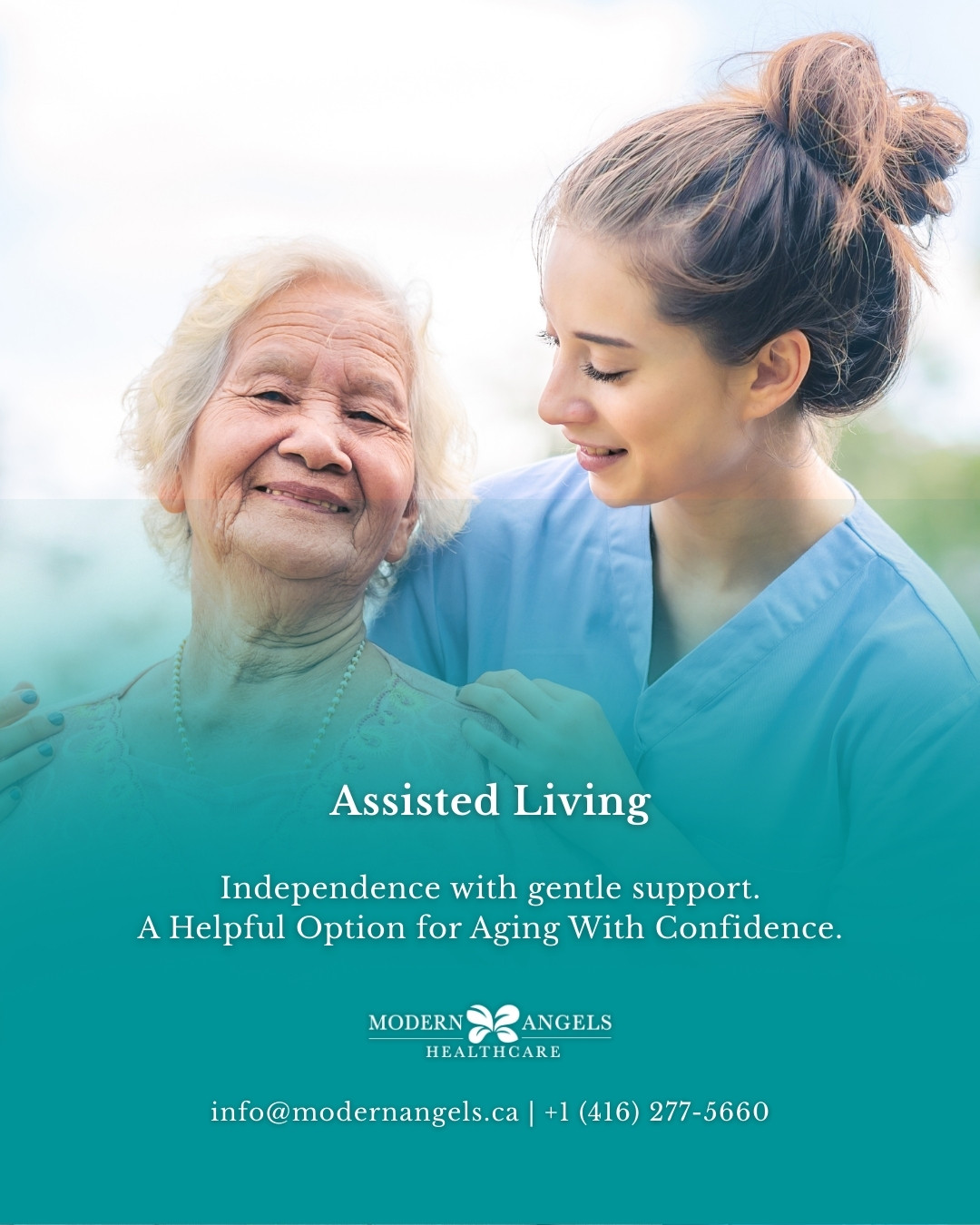
    Assisted living is one of the most commonly explored care options for older adults who want to remain independent but may need extra help with daily activities. As seniors age, everyday tasks like bathing, dressing, preparing meals, or managing medications can become more challenging. Assisted living bridges this gap by offering gentle, consistent support — while still allowing seniors to maintain control over their routine.

    Unlike long‑term care homes, which provide ongoing medical supervision, assisted living is designed for older adults who do not require constant clinical monitoring. It is suited for individuals who are mobile, mostly independent, and able to participate in daily life with minimal assistance. This may include seniors experiencing changes such as balance issues, memory lapses, fatigue, or difficulty maintaining their household safely on their own.

    One of the key benefits of assisted living is its environment. These residences blend independence with convenience by offering prepared meals, housekeeping, medication reminders, recreation programs, and social opportunities. The goal is to create a lifestyle that is safe, comfortable, and uplifting — giving seniors a strong sense of community and belonging.

    Families often begin exploring assisted living when they notice that daily life has become physically or emotionally overwhelming for their loved one. Tasks like managing medications, keeping up with laundry, or preparing meals may start to impact safety or quality of life. Assisted living offers peace of mind by ensuring that help is always available while still respecting personal independence.

    At Modern Angels Healthcare, we recognize that every senior’s needs are unique — and not everyone is ready to move into assisted living. Many families prefer to help their loved one remain at home for as long as possible, while others may choose assisted living but still want additional one‑on‑one support.

    Our caregivers, including nurses, personal support workers, companions, and housekeepers, can provide care in your home or within a retirement residence to enhance safety, comfort, and emotional well‑being. Whether your loved one needs occasional assistance or daily support, we tailor our services to fit their needs and lifestyle.

    If you are beginning to research senior living options, remember that assisted living is just one pathway. The goal is never to take independence away — it is to provide the right level of support to help seniors live with confidence, dignity, and safety.

  • A Compassionate Guide to Understanding Independent Living for Seniors

    A Compassionate Guide to Understanding Independent Living for Seniors

    Independent living is becoming an increasingly popular choice among older adults who want to maintain autonomy while enjoying a more manageable and socially connected lifestyle. Designed for seniors who can live independently without daily assistance, these communities offer a welcoming environment that blends comfort, safety, and freedom. Independent living is ideal for seniors who want fewer household responsibilities and more opportunities for recreation, friendship, and overall wellness.

    In Canada, many independent living communities are geared toward adults aged fifty‑five and older. These settings provide private living spaces such as apartments, condos, or suites, each designed to support comfort and accessibility. Seniors who choose this option are often seeking to simplify their lives by downsizing from larger homes while still enjoying privacy and personal space.

    A key benefit of independent living is the maintenance‑free lifestyle. Tasks such as housekeeping, lawn care, and often meal preparation are managed by the community, allowing residents to focus on hobbies, social interactions, wellness programs, or simple relaxation. Amenities often include fitness areas, communal dining, activity centres, and beautifully maintained outdoor spaces. These features help reduce isolation and promote strong social ties – a vital component of emotional well‑being in older adulthood.

    Another important aspect of independent living is choice. Residents have the freedom to structure their days as they prefer. They can participate in group activities, enjoy quiet time, host friends, or come and go as they wish. This balance of autonomy and community makes independent living especially appealing to seniors who value both independence and connection.

    While independent living communities do not offer medical or personal care services, many seniors find comfort in knowing that additional help can be brought in if needed. That is where supportive services like those from Modern Angels Healthcare come in. Our caregivers – whether nurses, personal support workers, or companions – can step in gently when life changes. We work around the resident’s routines, offering help in a way that protects dignity and independence.

    Our role is not to replace the benefits of independent living but to enrich them. Whether someone needs temporary support after an illness, help with wellness routines, or a companion to ease loneliness, our team is here with compassion and respect.

    Independent living is not just a housing choice. It is an opportunity for seniors to reclaim joy, comfort, and community in a safe and empowering environment. For families exploring this path, the journey is easier with guidance, understanding, and the right support at the right time.